

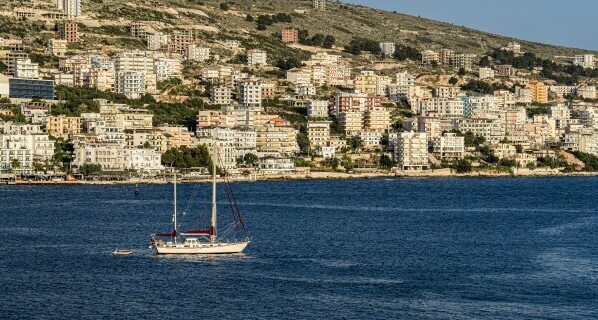
Greece, known for its beautiful islands, crystal-clear waters and picturesque beaches, is taking an innovative step towards protecting its marine environment. Through an ambitious environmental initiative called the Typhoon Project, abandoned plastic, fishing nets, packaging and other waste are being removed from remote coastlines and transported for recycling or responsible disposal. The project demonstrates how organised environmental action can help restore marine ecosystems and reduce pollution.
The Typhoon Project: A Ship with a Mission
Launched in July 2019 by the Athanasios C. Laskaridis Charitable Foundation, the Typhoon Project aims to clean Greece’s extensive coastline, particularly beaches that are difficult to reach by road.
At the heart of the initiative is a specially designed, 72-metre-long Norwegian-built vessel called Typhoon. It operates throughout the year, accompanied by five speedboats that transport cleaning teams to isolated beaches and rocky coastal areas.
Many of these locations accumulate rubbish carried by ocean currents. Some beaches contain waste that has remained there for decades, posing a threat to marine animals, birds and coastal ecosystems.
The project addresses this problem through regular cleaning operations rather than occasional beach-cleaning campaigns.
Collecting and Recycling Marine Waste
The cleaning team collects different types of marine litter, including plastic bottles, discarded packaging, Styrofoam, fishing equipment, cans and household waste.
Once collected, the rubbish is transported to the main vessel, where it is sorted and documented. Recyclable materials are separated and sent to appropriate recycling facilities, while other waste is directed towards suitable disposal facilities.
This systematic approach ensures that the initiative does more than simply transfer rubbish from beaches to a ship. It also attempts to recover useful materials and prevent further environmental damage.
According to a November 2026 report by Euronews, the team collects approximately 500 to 1,000 kilograms of waste every day.
Remarkable Environmental Achievements
The results of the Typhoon Project are impressive. Over seven years, the initiative has conducted more than 10,000 cleaning operations and removed approximately 1,140 tonnes of rubbish from remote Greek coastlines.
The collected waste would fill approximately 22 Olympic-sized swimming pools.
The project has also completed repeated cleaning operations, allowing researchers to compare pollution levels and understand whether coastal conditions are improving.
Its work on islands such as Mykonos, Syros and Antiparos demonstrates the importance of sustained environmental intervention.
Science and Technology Support the Initiative
An important feature of the Typhoon Project is its collaboration with academic institutions.
Researchers from the University of Patras study marine litter on the seabed, while scientists associated with the University of the Aegean use remote-sensing technology to detect and map plastic pollution.
The information gathered helps researchers understand where waste originates, how it travels and which coastal areas require greater attention.
The project also involves schoolchildren in environmental education programmes. Students participate in beach-cleaning activities and learn about the dangers of single-use plastics and irresponsible waste disposal.
Expanding the Mission Through Cyclone
The project has also revealed that much of the rubbish reaching the coastline originates inland. Rivers, lakes and poorly managed waste-disposal sites can contribute to marine pollution.
In response, the foundation introduced another initiative called Cyclone in 2024. It focuses on cleaning rivers, lakes and archaeological sites across Greece.
By addressing pollution before it reaches the sea, the programme aims to tackle the problem at its source.
A Lesson for the World
Greece’s Typhoon Project offers an inspiring example of how technology, scientific research, philanthropy and community participation can work together to protect the environment.
Its greatest achievement is not merely the enormous quantity of rubbish collected but the awareness it creates about responsible waste management.
Other coastal countries could adopt similar approaches by organising regular clean-ups, improving recycling infrastructure, monitoring pollution and educating young people.
Ultimately, protecting the oceans requires more than cleaning beaches. It requires reducing the waste entering the environment in the first place.
Greece’s initiative reminds us that cleaner coastlines and healthier oceans are possible when environmental responsibility becomes a continuous commitment.
We wish them all the best.
By Jamuna Rangachari
