

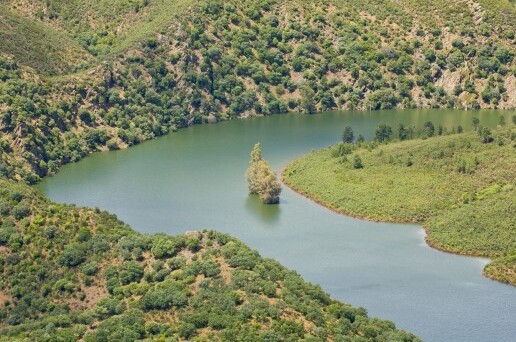
Lake Baikal in Siberia, Russia, one of the world’s greatest natural freshwater treasures, is showing remarkable signs of recovery after decades of declining water flow. A recent scientific study has revealed that the lake and its surrounding ecosystem are experiencing an unprecedented hydrological revival, bringing fresh hope for biodiversity and water security.
The findings are particularly encouraging because Lake Baikal holds approximately 20 per cent of the world’s unfrozen surface freshwater. Its recovery could have significant implications for the environment, wildlife and communities that depend on this extraordinary natural resource.
A Lake Under Environmental Pressure
Located in southern Siberia, Lake Baikal is the world’s deepest and most voluminous freshwater lake. It is also among the oldest lakes on Earth, estimated to be around 25 million years old.
The lake supports an extraordinary variety of wildlife, including the Baikal seal, which is found nowhere else in the world. Its unique ecosystem earned it UNESCO World Heritage Site status in 1996.
However, the lake experienced considerable environmental pressure during the twentieth century and the early years of the twenty-first century. Declining rainfall, prolonged dry conditions and changes in regional climate affected the flow of rivers feeding the lake.
The Selenga River, which provides a major share of its incoming water, experienced particularly concerning reductions in flow. During severe dry periods, river flow declined by as much as 90 per cent compared with earlier high-flow levels.
These developments raised concerns about water availability, ecological stability and the future of communities dependent on the lake.
Scientists Discover an Extraordinary Recovery
A study published in the journal Geophysical Research Letters in November 2026 has brought encouraging news.
An international research team reconstructed 343 years of water-flow history using tree-ring records. Trees preserve information about past environmental conditions through variations in their annual growth rings. By examining these records, scientists could investigate historical changes in moisture availability and river flow.
The findings revealed that the declining trend had reversed significantly since around 2017.
According to the reconstruction, streamflow has increased by approximately 145 per cent above its long-term historical average. The period between 2017 and 2024 represents the most pronounced recovery identified in the 343-year record.
Researchers also observed rising lake levels and increased vegetation growth across the surrounding region.
Together, these developments suggest that the wider ecosystem is benefiting from improved water availability.
What Is Driving the Revival?
Scientists believe that changing atmospheric circulation patterns and increased moisture transport are important factors behind the recovery.
Changes in temperatures and sea-ice conditions across parts of the Arctic and North Pacific appear to influence the movement of moisture towards Siberia.
Lower sea-surface temperatures and greater sea-ice coverage in certain northern regions have been associated with increased water availability in the Lake Baikal basin.
Improved precipitation, soil moisture and snowmelt have also contributed to the increased river flow.
Researchers suggest that a regional slowdown in Arctic-amplified warming may have played a role in these changes. However, this is associated with natural climate variability and should not be interpreted as evidence that global warming has stopped.
Why Lake Baikal Matters
Lake Baikal is much more than a large freshwater reservoir. It is an ecological treasure supporting thousands of plant and animal species, many of which are endemic to the region.
Its freshwater resources are important for surrounding communities, agriculture and hydroelectric power generation.
The lake also plays an important role in maintaining the ecological balance of the region. Its wetlands, forests and rivers provide habitats for numerous species.
A healthier water system can support vegetation growth, improve wildlife habitats and strengthen the resilience of the surrounding environment.
Protecting the Recovery
Although the recent findings are encouraging, scientists caution that the recovery may not necessarily continue indefinitely. Natural climate conditions fluctuate, and future droughts could reverse some of the improvements.
The research highlights the importance of responsible water management and long-term environmental protection.
Suggested measures include improving water storage facilities, protecting groundwater reserves, strengthening wastewater infrastructure and restoring wetlands in the Selenga River Delta.
Wetlands are particularly valuable because they absorb excess water during wetter periods and gradually release it during dry conditions. They also support biodiversity and help maintain natural water cycles.
A Message of Hope and Caution
Lake Baikal’s recovery demonstrates how dramatically natural water systems can respond to changing climatic conditions. The findings offer valuable insights into the relationship between rainfall, river flows, vegetation and freshwater ecosystems.
However, this revival should not lead to complacency. Climate change, pollution and human activities continue to threaten freshwater environments around the world.
The lesson from Siberia is clear: protecting freshwater resources requires continuous scientific monitoring, responsible management and ecosystem restoration.
Lake Baikal’s remarkable rebound is a welcome development for nature and humanity. Preserving its recovery will require sustained commitment to safeguarding one of the planet’s most precious freshwater treasures.
We wish them all the best.
By Jamuna Rangachari
