

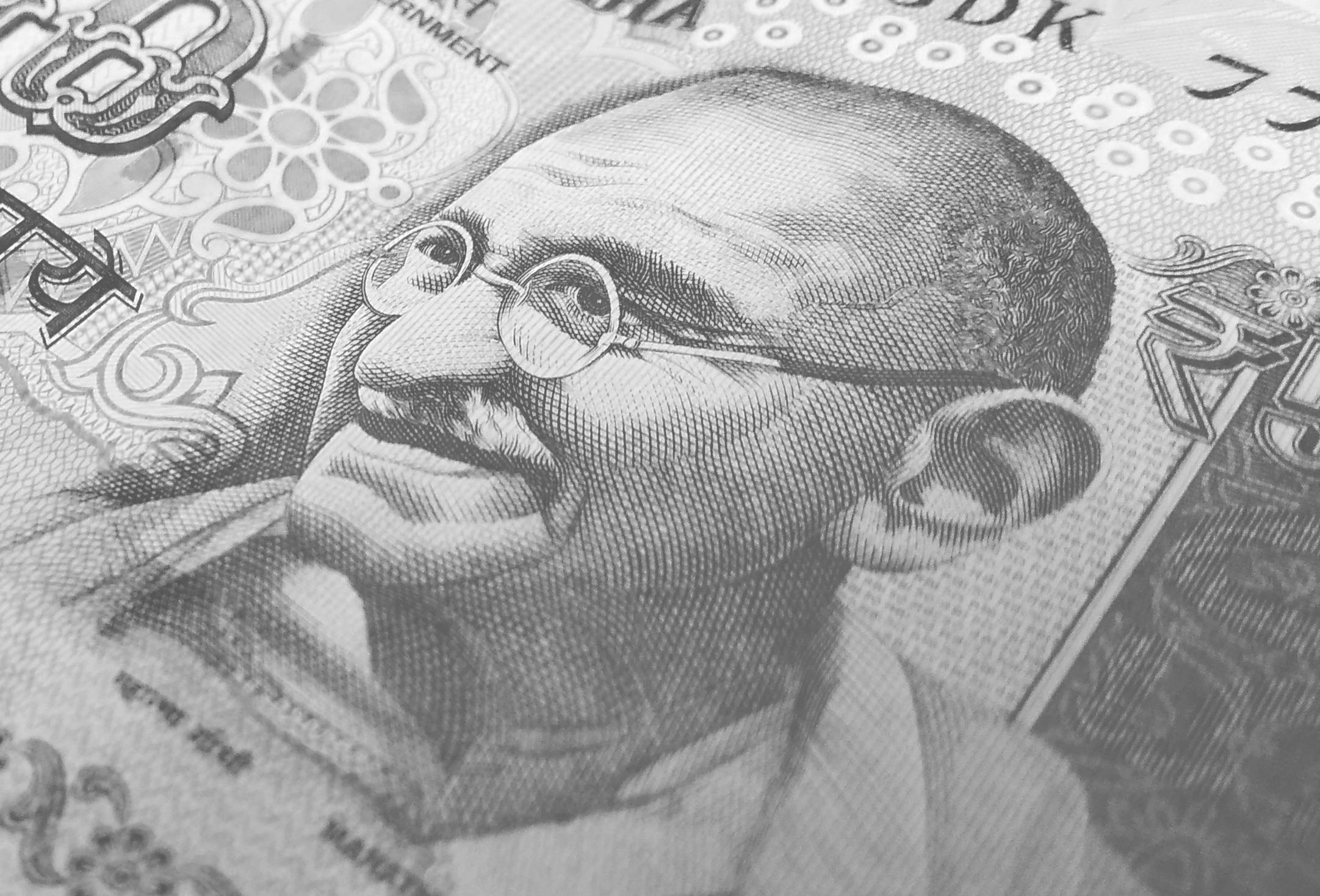
The connection between Mahatma Gandhi and cleanliness is a profound and integral part of his life and philosophy. It wasn’t just about personal hygiene; it was a holistic concept tied to public health, social justice, self-reliance, and even spiritual purity.
Here’s a breakdown of Gandhi’s views and actions regarding cleanliness.
1. Personal Cleanliness: The Foundation
For Gandhi, personal cleanliness was the starting point for all other forms of cleanliness. He famously said:
“I will not let anyone walk through my mind with their dirty feet.”
This reflected his belief that a clean mind could only reside in a clean body. His personal regimen was strict:
- Regular baths and ablutions: He bathed multiple times a day.
- Simple, hand-spun clothes (Khadi): He saw clean, self-made clothing as a symbol of self-respect and independence from British mill cloth.
- Fasting: He used fasting not only as a political tool but also as a means to purify the body and mind.
2. Public Cleanliness and Sanitation: A National Duty
Gandhi was deeply troubled by the unsanitary conditions in Indian villages and towns. He saw it as a major obstacle to national health and self-respect. He famously stated:
“Sanitation is more important than independence.”
This powerful statement highlights how he viewed a clean environment as a prerequisite for a truly free and dignified society. His focus included:
- Proper disposal of waste: He advocated for the construction and use of latrines and criticized the practice of open defecation.
- Community Cleanliness: He believed that keeping public spaces clean was a collective responsibility, not just a task for the so-called “lower castes.”
- The Link to Disease: He connected the prevalence of diseases like cholera and plague directly to poor sanitation.
3. Cleaning Latrines: The Ultimate Symbol of Eradicating Untouchability
This is perhaps the most radical aspect of Gandhi’s cleanliness crusade.
- In Indian society, manual scavenging (cleaning human excreta) was imposed upon the Dalit community, formerly known as “untouchables.”
- Gandhi deliberately took up the task of cleaning latrines himself, both in his ashrams (like Sabarmati and Sevagram) and in public.
- By doing this “unclean” job, he made a powerful statement:
- No work is demeaning. Cleaning is a dignified and necessary labor.
- It attacked the caste system. He sought to break the poisonous link between sanitation work and a specific community.
- He urged everyone, especially “upper-caste” Indians, to clean their own toilets as a duty and a lesson in humility and equality.
4. Cleanliness and Self-Reliance (Swachhata and Swaraj)
Gandhi seamlessly wove cleanliness into his concept of Swaraj (self-rule).
- A self-reliant individual keeps themselves and their surroundings clean.
- A self-reliant community manages its own waste and public health.
- Therefore, a clean India was a necessary step toward a truly independent India, free from both foreign rule and internal social evils like untouchability.
5. The Spiritual Dimension
For Gandhi, outer cleanliness was a reflection of inner purity. A clean body and environment were conducive to a clean mind, free from negative thoughts like hatred, greed, and violence (ahimsa). This connection between physical and spiritual purity is a common thread in many Indian traditions, which Gandhi emphasized and practiced.
Legacy and the Swachh Bharat Abhiyan
Gandhi’s teachings on cleanliness directly inspired the Government of India’s flagship campaign, the Swachh Bharat Abhiyan (Clean India Mission), launched in 2014 on Gandhi’s birth anniversary.
The mission aims to achieve his vision of a clean India by:
- Eliminating open defecation through the construction of toilets.
- Promoting waste management and sanitation.
- Encouraging behavioral change, making cleanliness a jan andolan (people’s movement).
In Summary
For Gandhi, cleanliness was not a single issue but a cross-cutting principle that connected:
- Personal Discipline (Health & Hygiene)
- Social Reform (Eradicating Untouchability)
- Public Health (Sanitation & Disease Prevention)
- Nationalism (Swaraj and Self-Reliance)
- Spiritual Practice (Inner and Outer Purity)
He transformed the mundane act of cleaning into a powerful, symbolic tool for social revolution and personal transformation.
By Jamuna Rangachari
