

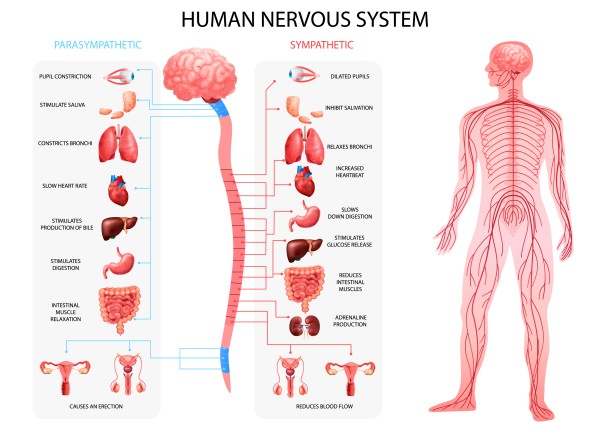
Stimulating the vagus nerve is a powerful way to promote relaxation, improve digestion, reduce inflammation, and enhance overall well-being. The goal is to increase “vagal tone,” which reflects the nerve’s activity and resilience.
Here’s a comprehensive guide on safe and effective ways to stimulate the vagus nerve, divided into immediate techniques and lifestyle practices.
Understanding the Goal: Increasing “Vagal Tone”
High vagal tone means your body can relax faster after stress. It’s associated with better mood, lower heart rate, and reduced inflammation. Low vagal tone is linked to depression, anxiety, and inflammation.
Immediate Techniques (Quick, Anytime, Anywhere)
These work by activating the muscles and areas connected to the vagus nerve.
- Deep, Slow Diaphragmatic Breathing:
- How: Breathe deeply into your belly, not your chest. Aim for 4-6 breaths per minute (inhale for 4-6 seconds, exhale for 4-6 seconds).
- Why: The vagus nerve runs through the diaphragm. Slow breathing directly stimulates it and signals the body to shift into “rest-and-digest” mode.
- Humming, Chanting, or Singing Loudly:
- How: Hum your favorite song, chant “Om,” or sing in the shower. The vibrations stimulate the vocal cords and the nearby vagus nerve.
- Why: The vagus nerve is connected to your vocal cords and the muscles in the back of your throat.
- Cold Exposure:
- How: Splash cold water on your face, finish your shower with 30 seconds of cold water, or place a cold pack on your face/neck.
- Why: The “diving reflex” triggered by cold on the face/neck activates the vagus nerve to slow heart rate and metabolism.
- Gargling Vigorously:
- How: Gargle with water several times a day until your eyes water.
- Why: It activates the same throat muscles as humming, providing a strong workout for the vagus nerve.
- The Valsalva Maneuver:
- How: Gently bear down as if having a bowel movement while holding your breath. (Caution: Do not strain if you have heart issues).
- Why: This increases pressure in the chest cavity, stimulating the vagus nerve and often slowing a rapid heart rate.
- Laughter & Social Connection:
- How: Genuine laughter and positive social engagement.
- Why: Laughter stimulates the vagus nerve and increases heart rate variability (a marker of vagal tone). Positive social connections trigger a vagus nerve response that promotes feelings of safety.
Lifestyle & Daily Practices
These improve your baseline vagal tone over time.
- Regular Exercise: Mild to moderate exercise, like walking, yoga, or cycling, increases vagal tone. Avoid extreme overexertion, which can have the opposite effect.
- Meditation & Mindfulness: Especially loving-kindness (metta) meditation, which focuses on compassion, has been shown to increase vagal tone.
- Probiotics & Gut Health: The gut-brain connection is mediated by the vagus nerve. A healthy gut microbiome supports a healthy vagus nerve. Eat fermented foods (yogurt, kefir, sauerkraut) and fiber.
- Omega-3 Fatty Acids: Found in fatty fish (saldom), flaxseeds, and walnuts, they are essential for nerve function and can increase vagal tone.
- Massage & Acupuncture:
- Foot reflexology and massaging the neck (over the carotid sinus) can stimulate vagal pathways.
- Acupuncture, especially at the ear (auricular acupuncture), is a direct and researched method to stimulate the vagus nerve.
- Prayer & Repetitive Prayer: Similar to chanting, the rhythmic nature of prayer can stimulate the vagus nerve.
Medical & Device-Based Interventions
For severe conditions (like epilepsy or treatment-resistant depression), doctors may use:
- tVNS (transcutaneous Vagus Nerve Stimulation): A device that delivers a mild electrical current to the vagus nerve through the skin of the ear or neck.
- VNS Implant: A surgically implanted device that sends electrical impulses to the nerve.
Important: These should only be pursued under a doctor’s supervision.
A Simple Daily Routine to Start
- Morning: Splash cold water on your face.
- Day: During breaks, practice 2 minutes of slow diaphragmatic breathing.
- Meals: Eat mindfully, chewing thoroughly to engage the digestive process (linked to the vagus nerve).
- Evening: Hum or chant for 1-2 minutes, then try a short meditation.
Safety & Precautions
- The techniques listed under “Immediate” and “Lifestyle” are generally safe for most people.
- If you have any cardiovascular conditions (like low blood pressure, bradycardia, or fainting disorders), consult your doctor before trying forceful breathing, cold exposure, or the Valsalva maneuver.
- Listen to your body. The goal is gentle stimulation, not stress or strain.
By consistently incorporating these practices, you can train and strengthen your vagus nerve, leading to a more resilient nervous system and better overall health. Start with one or two easy techniques and build from there.
By Jamuna Rangachari
