

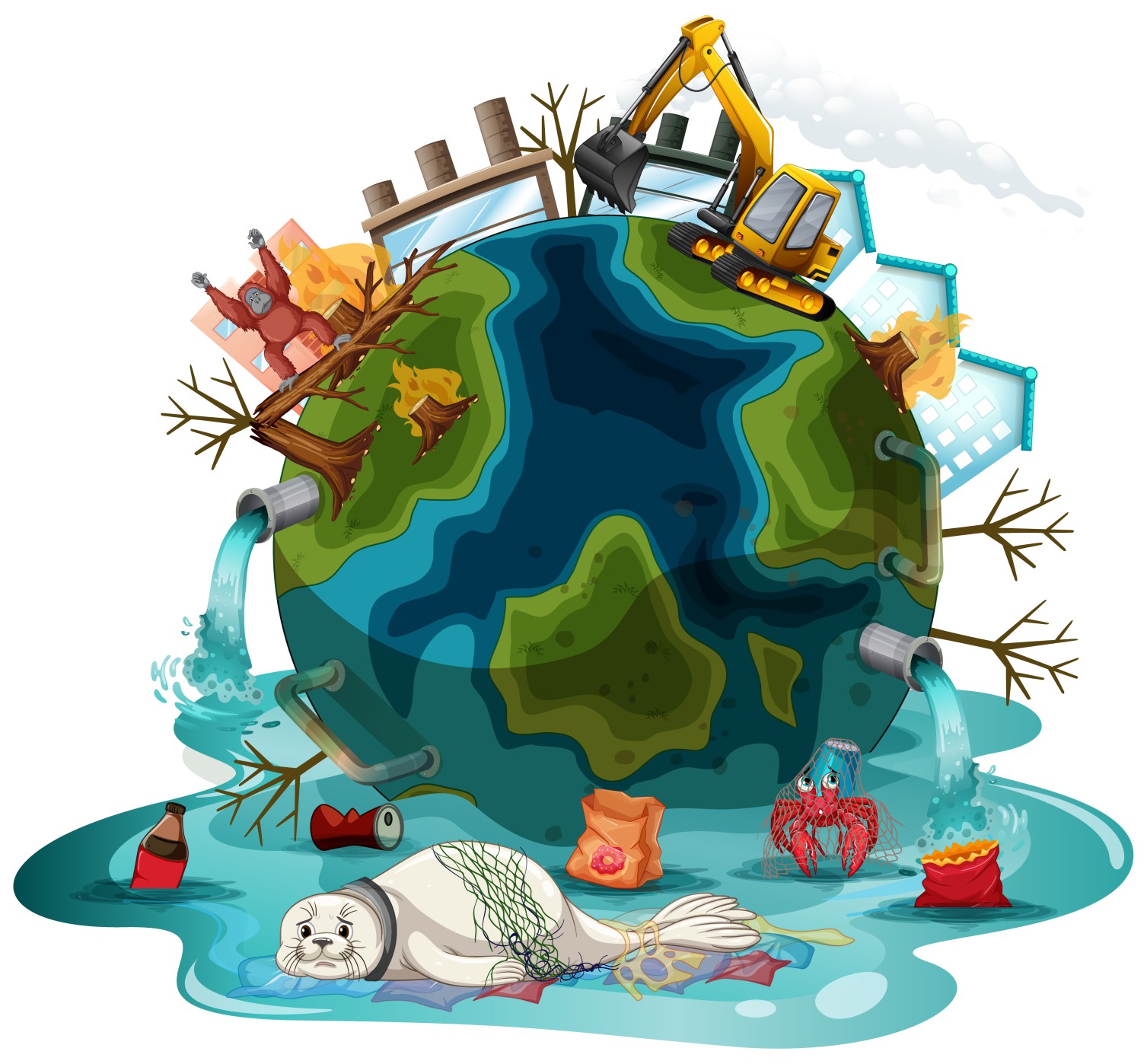
Preventing pollution in urban areas is a complex but critical challenge that requires action at multiple levels—from individual choices to city-wide policies. Here is a comprehensive breakdown of strategies and solutions.
The Main Types of Urban Pollution & Their Prevention
1. Air Pollution
Primary Sources: Vehicle exhaust, industrial emissions, construction dust, coal and wood burning for heating, and energy production.
Prevention Strategies:
- Promoting Sustainable Transportation:
- Invest in Public Transit: Make buses, trams, and trains frequent, affordable, reliable, and widespread.
- Build Active Transportation Infrastructure: Create safe, connected networks of bicycle lanes and pedestrian-friendly sidewalks.
- Electrify Transportation: Incentivize electric vehicles (EVs) with tax credits and install widespread charging infrastructure. Electrify public buses and municipal fleets.
- Implement Low-Emission Zones (LEZs): Restrict or charge high-polluting vehicles for entering city centers.
- Promote Carpooling and Ridesharing: Create dedicated lanes and provide apps to facilitate sharing.
- Transitioning to Clean Energy:
- Renewable Energy for Buildings: Incentivize solar panels on rooftops and support community solar projects.
- Energy Efficiency: Enforce strict building codes for insulation and energy use. Retrofit old buildings.
- District Energy Systems: Use centralized plants to heat and cool multiple buildings efficiently, often using renewable sources.
- Regulating Industrial and Construction Pollution:
- Strict Emission Standards: Enforce and continuously tighten limits on industrial smokestacks.
- “Green” Construction Sites: Mandate covering debris, spraying water to suppress dust, and using cleaner construction equipment.
- Increasing Green Spaces:
- Urban Forests and Parks: Trees and plants absorb pollutants (like CO2 and particulate matter) and produce oxygen. They also provide shade, reducing the “Urban Heat Island” effect.
2. Water Pollution
Primary Sources: Runoff from streets (carrying oil, heavy metals, trash), industrial discharge, sewage overflows, and improper chemical disposal.
Prevention Strategies:
- Managing Stormwater Runoff:
- Green Infrastructure: Use bioswales (vegetated channels), rain gardens, and permeable pavements to allow water to soak into the ground and be filtered naturally, rather than flowing directly into sewers and rivers.
- Constructed Wetlands: Create or restore wetlands to act as natural water filters.
- Upgrading Wastewater Systems:
- Separate Sewer Systems: Prevent combined sewer overflows (CSOs) by separating storm drains from sanitary sewers.
- Modernize Treatment Plants: Ensure they can handle capacity and remove a wide range of contaminants, including pharmaceuticals and microplastics.
- Reducing Source Pollution:
- Public Education: Campaigns against pouring fats, oils, and chemicals down drains and against littering.
- Street Cleaning: Regular and effective street sweeping to remove pollutants before they are washed into waterways.
3. Land and Waste Pollution
Primary Sources: Landfills, illegal dumping, litter, and plastic waste.
Prevention Strategies:
- Advancing the Circular Economy:
- Reduce and Reuse: Promote package-free stores, reusable containers (coffee cups, bags), and repair cafes.
- Comprehensive Recycling and Composting: Make it easy for residents and businesses to separate recyclables and organic waste. Composting turns food scraps into valuable soil, reducing landfill methane gas.
- Extended Producer Responsibility (EPR): Hold manufacturers financially responsible for the end-of-life management of their products and packaging, incentivizing them to design for recyclability.
- Tackling Plastic Pollution:
- Bans and Fees: Implement bans on single-use plastic bags, straws, and styrofoam containers.
- Deposit-Return Schemes: For bottles and cans, which dramatically increase recycling rates.
4. Noise and Light Pollution
Primary Sources: Traffic, construction, nightlife, industrial activity, and excessive artificial lighting.
Prevention Strategies:
- Noise Pollution:
- Low-Noise Road Surfaces: Use asphalt that reduces tire noise.
- Noise Barriers: Build walls alongside highways and railways.
- Enforcement of Noise Ordinances: Set and enforce limits for construction sites and nighttime entertainment.
- Light Pollution:
- Shielded Streetlights: Use fixtures that direct light downward onto streets and sidewalks, not up into the sky or into homes.
- Warm-Colored LEDs: Use LEDs with a warmer color temperature to reduce blue light, which disrupts ecosystems and human sleep cycles.
Key Actors and Their Roles
| Actor | Key Responsibilities & Actions |
| Individuals & Communities | Use public transport, bike, or walk. Reduce, reuse, recycle correctly. Conserve energy and water at home. Participate in local clean-up events. Advocate for change. |
| City Governments | Develop and fund integrated public transit and cycling networks. Pass and enforce green building codes and pollution regulations. Invest in green spaces and waste management infrastructure. Lead by example with municipal fleets and buildings. |
| Businesses & Industries | Adopt clean technologies and sustainable supply chains. Implement circular economy principles in product design. Comply with and exceed environmental regulations. |
| National/Regional Governments | Set strong national air and water quality standards. Provide funding and grants for urban sustainability projects. Implement carbon pricing or other economic incentives. |
| Researchers & Innovators | Develop new clean technologies (e.g., carbon capture, advanced recycling). Provide data and analysis to inform effective policy. |
The Role of Technology and Smart Cities
Modern technology is a powerful enabler:
- IoT Sensors: Monitor air and water quality in real-time, allowing for targeted responses.
- Smart Grids: Optimize electricity distribution, integrating renewables and reducing waste.
- Intelligent Traffic Management: Use data to ease congestion, reducing idling and emissions.
- Data Analytics: Model pollution patterns to predict hotspots and test the potential impact of new policies.
Conclusion
Preventing urban pollution is not about a single “silver bullet” but a symphony of integrated solutions. It requires a shift in mindset from managing waste to preventing its creation, and from prioritizing convenience to valuing sustainability. By combining robust policy, innovative technology, responsible business practices, and active citizen participation, cities can transform into cleaner, healthier, and more livable environments for all.
By Jamuna Rangachari
