

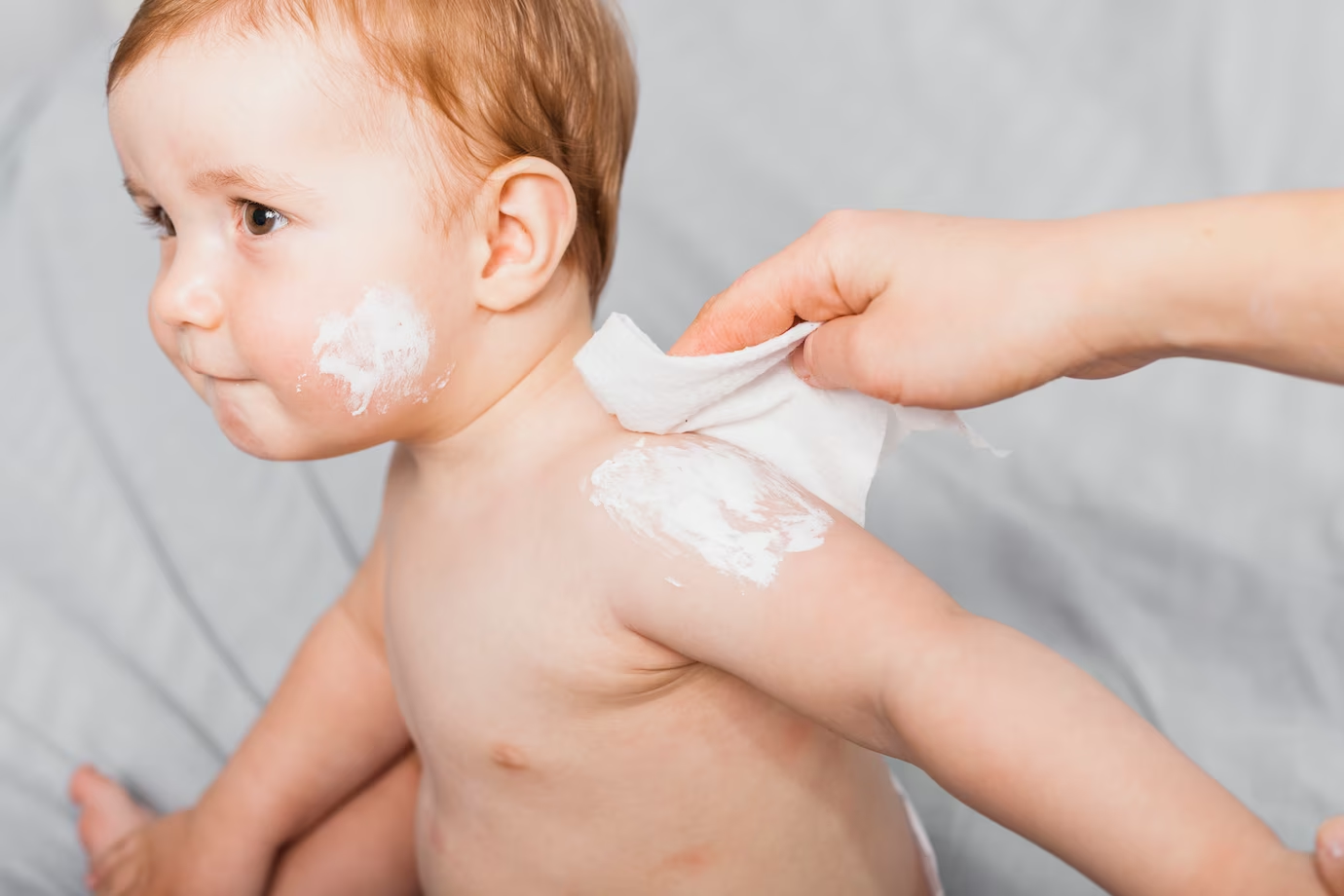
An infant’s body system is highly vulnerable, so they can quickly acquire illnesses, and their body might even develop more than one allergy. If ignored, it can be life-threatening to them. That’s why, as a parent or guardian, you must be knowledgeable about issues regarding a child’s allergies.Â
Here are a few things you need to know to get started.
Common Allergies in Infants
First, you might wonder how an infant can develop allergies. The answer lies in your genetics. It plays a significant role in your baby’s development because it becomes a predisposition to their health.Â
If you’re in a family who has asthma, then it’s most likely that your baby might also experience the same. That’s why you should report any allergens you have to your baby’s pediatrician so they can take note of this. Once their pediatrician determines the allergy, they will more likely prescribe trusted and effective infant allergy medicine to help ease the symptoms.
When your baby reaches toddlerhood or around 18 months, you may easily detect issues related to this as they become more sensitive to indoor and outdoor allergens. Once you start seeing the symptoms, like wheezing, runny nose, cough, or fever, you should immediately report them to your doctor.Â
However, unlike toddlers, infant symptoms may not be readily noticeable, especially since they can only communicate through their cries. That’s why you must be very attentive to changes in your body. Thus, the best thing you can do in this situation is to educate yourself about the most common allergens that can threaten your infant.
Food Allergies
The most common type of allergy in children is due to food. Once your baby starts to control their head, sit up by themselves, and become interested in food, it would be best to visit their healthcare provider. Then, their pediatrician will give you an okay sign when it’s finally time to introduce solid foods. However, it would help if you keep notice of the common allergens to them.Â
It’s recommended to follow the three-day rule, where you introduce new foods every three days. This is important because you want to give your baby enough time to fully ingest the food and observe how their body will react. This goes to common allergens, such as the following:
- Peanuts and Milk
- Shellfish
- Fish
- Egg
- Tree Nuts (cashews, walnuts, etc.)
- Wheat
- Soy
Environmental Allergies
Environmental allergies involve dust mites, pets, molds, cockroaches, etc.; compared to food allergies, your baby is less likely to outgrow the former. However, this usually develops when they reach toddlerhood, compared to food allergies. Still, it isn’t impossible since their risk of allergies is around 70%.Â
When your child is preparing to transition to toddlerhood, you must be attentive to how their body reacts to the shared environmental allergens. It will take around a year for your baby to develop sensitivities to environmental allergens. So, to prepare for the transition, it’s best to do what you can to minimize the allergens, such as dust and molds.

Prevention
If your baby suffers from eczema, knowing they are at higher risk of developing allergies is essential. As such, the best prevention in this situation is to keep their eczema under control with the help of their healthcare provider.
Moreover, a baby’s food allergy will manifest when you introduce food. However, this doesn’t mean that you should delay the introduction of solid foods to them. When your baby is around six months, try to give them common food allergens, like eggs and fish, as part of their diet. Then, observe how their body will react. Prevent from avoiding these foods because it might affect their diet. Instead, gradually introduce such foods to them.
For environmental allergies, the best way to prevent it is to ensure that your baby is living in a clean environment. Keep your house well-ventilated as much as possible, filter the air, use air conditioning, and keep your windows closed, especially when it’s dusty. Remember to constantly change your rugs and clean moldy areas because they might wander to these areas and put their health at risk.
Common Relief
The most common reliefs include antihistamine, which eases the allergy symptoms. For infants or toddlers, it may come in liquids. Aside from that, inhalers are also usually used to help children who have trouble breathing. Meanwhile, EpiPen is used when the symptoms become life-threatening and need emergency treatment.Â
Nonetheless, you should always check with their doctor about their situation; they will provide a better prescription. Remember that this is vital because your infant is delicate and needs specific and careful examination.
Final Thoughts
If you’re preparing to have a baby or want to learn more about your baby’s health, knowing what can cause their allergies and how to prevent them is a significant step in taking care of them.Â
At the end of this article, you should better understand how to handle your infant’s allergies properly. Keep close contact with their doctor so that you can easily report unusual activities of your infant to them, and they can provide you with an immediate solution.
