

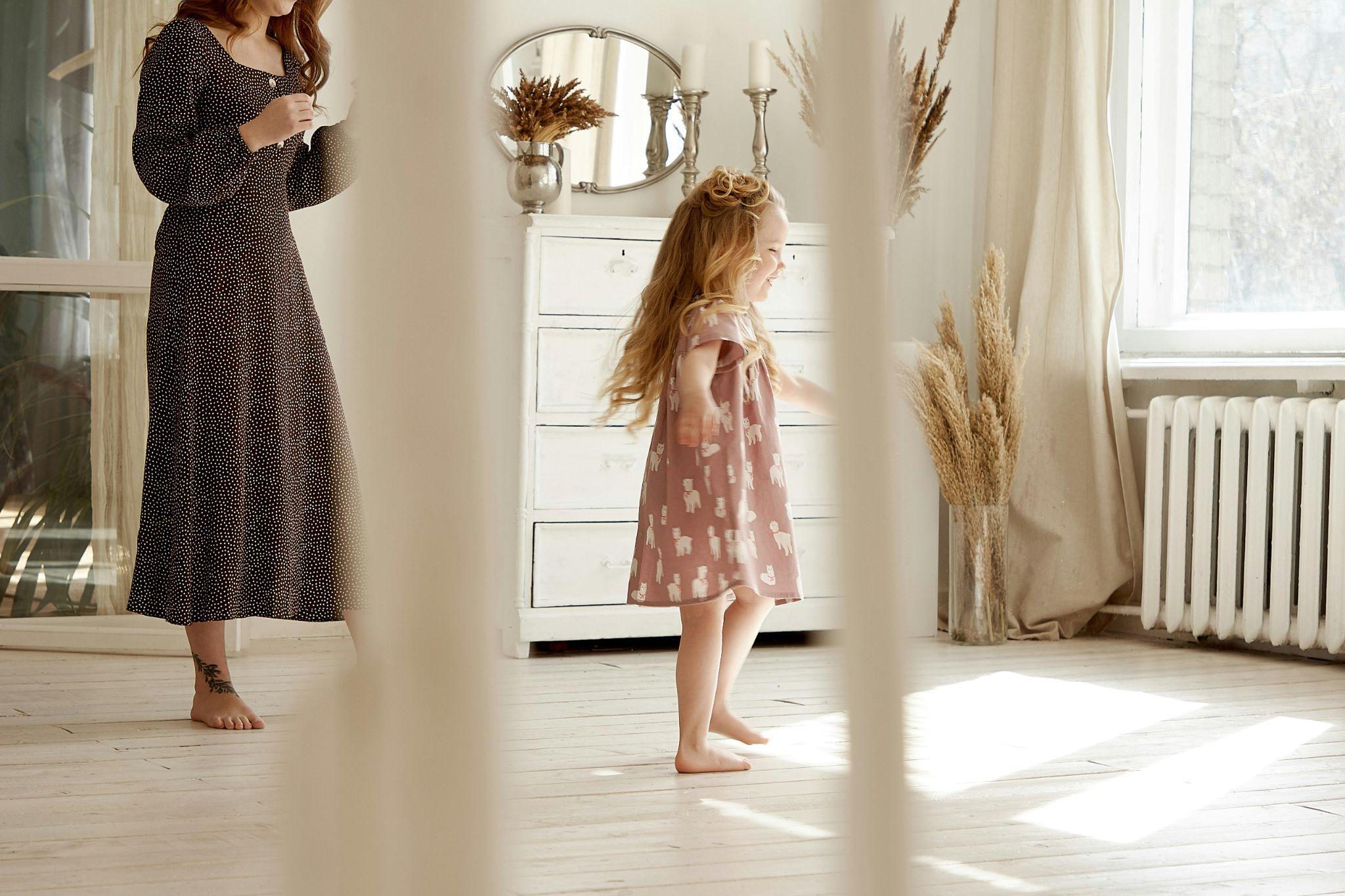
Bringing a new child into your home is a thrilling journey. With it comes the rewarding responsibility of creating a safe and nurturing environment. Protecting your little one from potential hazards isn’t just possible—it’s entirely manageable with the right approach. Here’s a practical guide to help you confidently make your home secure for your growing family.
1. Babyproofing the Nursery
Start by Securing the Crib Area:
Position the crib away from windows, cords, and heavy furniture. Clear the crib area of loose items like curtains and blinds, as these can pose a risk. Choose a crib that meets current safety standards with close railings to prevent accidental slips.
Choose a Quality Baby Monitor:
A reliable video baby monitor is essential for tracking your child’s sleep and activity. Opt for one with night vision and two-way audio to monitor and soothe your baby, even from another room.
Follow Safe Sleep Practices:
To reduce the risk of Sudden Infant Death Syndrome (SIDS), always place your baby on their back to sleep, on a firm mattress with a fitted sheet. Keep the crib free from pillows, toys, and blankets, which could obstruct breathing. Keep the room at a comfortable temperature to prevent overheating, and use a sleep sack if extra warmth is needed.
2. Reinforcing Door and Window Security
Use Child-Safe Locks on Doors and Windows:
To prevent easy access, equip windows and doors with child-safe locks. Window guards add extra security, preventing falls, while child-resistant latches make it harder for young children to open entry points and wander outside unsupervised.
Install a Video Doorbell:
With a video doorbell, you can see and talk to visitors without opening the door. This extra security lets you monitor arrivals, even when you’re busy with the baby, adding a layer of reassurance for your family.
3. Adding Safety Essentials Throughout the Home
Install Night Lights for Easy Navigation:
Night lights in the baby’s room and hallways make nighttime feedings and diaper changes easier without disturbing sleep with harsh overhead lighting. This simple addition can make your evening routines much smoother.
Check Smoke and Carbon Monoxide Detectors Regularly:
Make sure your home has smoke detectors and carbon monoxide alarms in essential areas, especially near sleeping rooms. Test them monthly and replace batteries twice a year for consistent, reliable protection.
Add Security Cameras for Extra Peace of Mind:
A security camera system provides an additional layer of protection by allowing you to monitor key areas inside and outside the home. Models like the Meraki MV33m, known for its high-resolution video quality and easy cloud-based management, let you keep a close eye on your surroundings and check on the baby’s room or other areas in real time.
4. Babyproofing Essentials Beyond the Nursery
Secure Furniture and Cover Sharp Corners:
Young children are naturally curious, so anchor heavy furniture like bookcases and dressers to prevent tipping accidents. Use corner protectors on sharp table and countertop edges to keep bumps and bruises at bay.
Use Safety Gates to Block Off Hazardous Areas:
Install safety gates at stairways and potentially risky areas, like the kitchen. Choose gates with secure latches that young children can’t open. For cabinets with dangerous items, such as cleaning supplies or medications, use childproof locks.
Cover Electrical Outlets:
Electrical outlets at floor level can be tempting for little ones. Use outlet covers that automatically slide over the socket when not in use to keep their tiny fingers safe.
5. Preparing for Emergencies
Post Emergency Contacts in a Visible Spot:
Keep a list of key contacts—your pediatrician, family, and emergency numbers—visible and easily accessible. This is especially helpful if someone else is watching your child, ensuring that help is always a call away.
Assemble a Complete First Aid Kit:
Prepare a first aid kit with essentials like antiseptic wipes, bandages, and fever reducers. Store it out of reach but easily accessible for adults, empowering you to handle minor incidents with confidence.
Consider CPR and First Aid Training:
Basic first aid and CPR training tailored for infants and children can be a lifesaver. Learning these skills helps you respond calmly and effectively in emergencies, enhancing your ability to protect your little one.
6. Setting Up Safe Play Areas
Create a Designated Safe Zone for Play:
Set up safe, gated play areas where your child can explore freely. Playpens or secure spaces allow your baby to play safely, while you tend to other tasks without worry.
Choose Age-Appropriate Toys:
Ensure toys are durable, non-toxic, and suitable for your child’s age. Remove any damaged toys immediately, and always check that small items that could pose choking hazards are kept out of reach.
Regularly Check for Small Objects:
Stay mindful of items that could be hazardous if swallowed. Get into the habit of checking floors for small objects like coins, buttons, or screws, keeping them safely out of reach.
7. Practicing Visitor and Pet Safety
Screen and Set Boundaries with Visitors:
Protect your baby’s space by setting boundaries for visitors. Use a video doorbell to monitor who’s at your door, and don’t hesitate to limit guest visits during delicate periods when your baby needs quiet and calm.
Introduce Pets Slowly and Safely:
If you have pets, introduce them gradually to your baby. Supervise all interactions until you’re sure your pet is comfortable and gentle around your child. Teaching pets to avoid the crib or play area further enhances safety.
8. Developing Emergency Plans
Create and Practice an Evacuation Plan:
In case of emergencies like fires or severe weather, a clear evacuation plan is crucial. Practice this with all family members, ensuring everyone knows how to exit quickly and safely with the baby.
Set Up Emergency Alerts on Your Phone:
Link your phone to home security systems that offer emergency alerts. This way, you’re informed of any unusual activity, even if you’re away, giving you the ability to act quickly when needed.
9. Prioritizing Self-Care as a Parent
Remember to Care for Yourself Too:
Parenthood brings joys and challenges, so taking time for yourself is essential. Prioritize sleep, hydration, and a few moments to recharge. When you’re well-rested and healthy, you’re in a better position to care for your child calmly and effectively.
Seek Support When Needed:
There’s no harm in reaching out for help from family, friends, or local parenting groups. Knowing you have support empowers you to manage the early stages of parenthood with confidence and resilience.
Final Thoughts
By taking these practical steps, you’re creating a secure, nurturing environment that allows your child to explore safely. Embrace these measures to build a foundation of safety and enjoy the peace of mind that comes from knowing your home is a sanctuary for your little one.
