

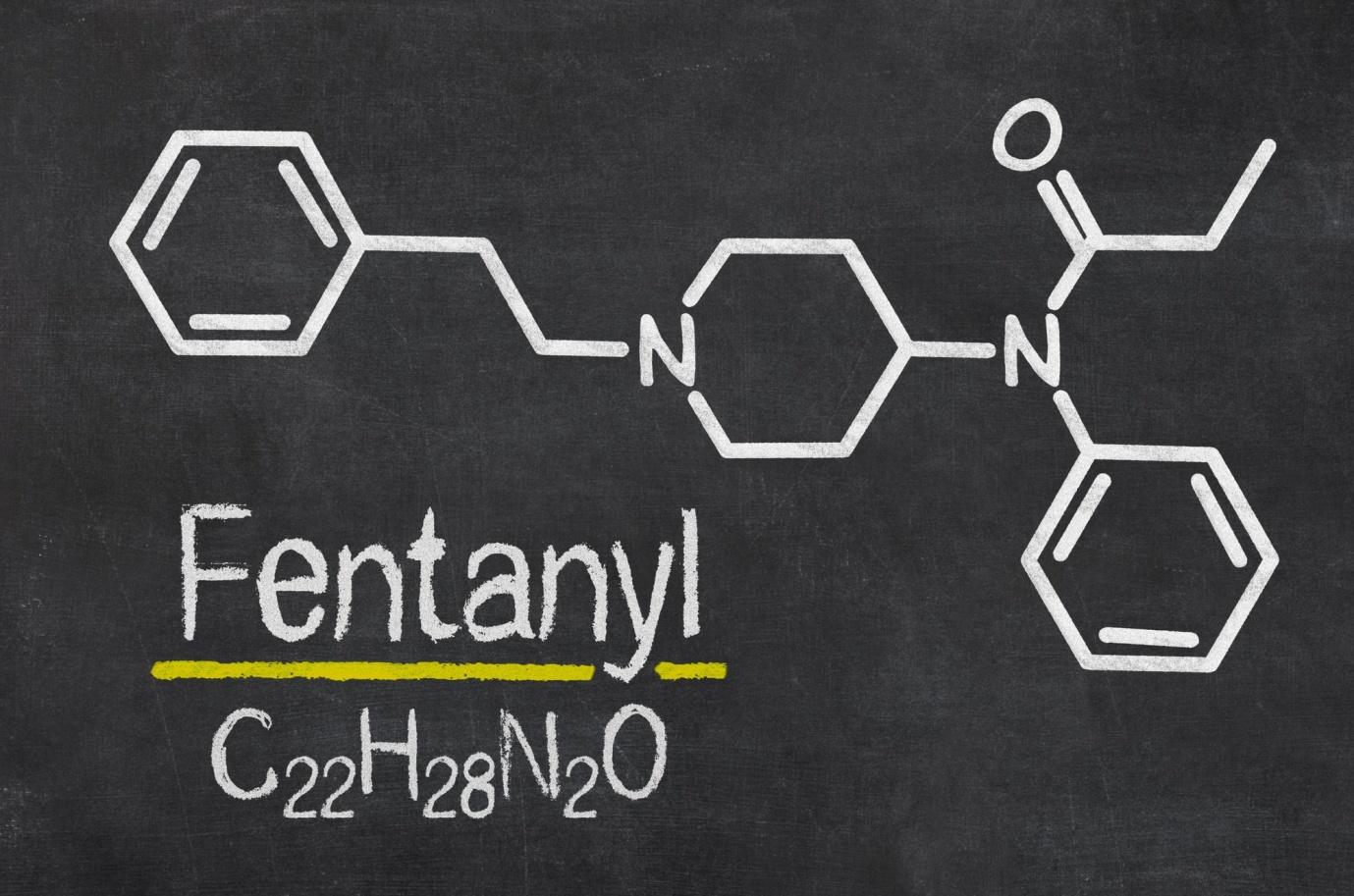
If you know someone struggling with substance abuse, learn about fentanyl. It’s a dangerous opioid that can harm them. Your loved one may not use drugs, but they could still share needles with friends. Those friends might accidentally put fentanyl in their drugs and take them to a treatment facility.
Families should know how to recognize signs their loved ones need treatment and how to help them get help.
If you want to help your loved one with their fentanyl addiction treatment, keep reading for tips.
Understanding Fentanyl Addiction
Fentanyl has gained notoriety due to its high potency and the associated risk of addiction and overdose. To understand fentanyl addiction, we need to look at its impact on the brain, risk factors, signs, and treatments.
What is Fentanyl?
Fentanyl is a potent synthetic opioid that, when used appropriately, can be an effective pain management tool. However illegal fentanyl production and distribution have caused a lot of abuse, leading to more overdoses. This drug is a big problem because it looks like other things and is really strong. It’s hard to know if it’s there.
How Does Fentanyl Addiction Develop?
Most people become addicted to fentanyl by misusing prescription opioids or using illegal opioids with fentanyl. Fentanyl can make you feel really good and relieve pain, but it can also make you dependent. The drug’s strength makes addiction more likely, increasing the risk of overdose and making recovery harder.
Recognizing the Signs of Fentanyl Addiction
Recognizing the signs of fentanyl addiction is crucial for early intervention and treatment. Here are some common signs and symptoms of fentanyl addiction:
Behavioral Changes
One of the initial indicators of fentanyl addiction is a noticeable shift in behavior. People close to someone might notice that they are being more secretive, avoiding social activities, or doing worse at work or school.
Physical Symptoms
Physically, fentanyl abuse may manifest through pinpoint pupils, drowsiness, and nodding off. Slurred speech, impaired coordination, and sudden weight loss can also be red flags.
Psychological Signs
Mood swings, anxiety, and irritability are common psychological signs of fentanyl addiction. Individuals struggling with addiction may also display heightened sensitivity to sensory stimuli.
Seeking Professional Help
Fentanyl is a very strong opioid that is stronger than morphine and heroin. Misusing it can cause serious health problems, like addiction and overdose. Here are steps you can take to seek professional help for fentanyl addiction:
The Importance of Professional Intervention
Fentanyl addiction is a complex medical condition that often requires professional intervention. To recover, it’s important to get help from:
- addiction specialists
- therapists
- doctors
These experts can fully assess the person’s condition and create a customized treatment plan.
Detoxification: The First Step
The initial phase of fentanyl addiction treatment often involves detoxification, where the body is rid of the drug. During this stage, it is important to have medical supervision.
Withdrawal symptoms can be severe, and one might need medication to help with the discomfort. Detoxification is a critical step, but it is only the beginning of the recovery journey.
Available Fentanyl Addiction Treatment Options
The treatment of fentanyl addiction typically involves a combination of medical, psychological, and behavioral interventions. Here are some of the available treatment options for fentanyl addiction:
Medication-Assisted Treatment (MAT)
MAT combines medicine and therapy to treat both the physical and mental parts of addiction. Medications that can reduce cravings and withdrawal symptoms include:
- methadone
- buprenorphine
- naltrexone
This helps individuals focus on their recovery.
Inpatient Rehabilitation
Inpatient drug rehab programs are helpful for people with fentanyl addiction as they offer structure and support. These programs usually offer:
- therapy in a group or alone
- counseling
- teaching coping strategies
These programs focus on developing skills that people can use to stay sober and navigate the challenges of everyday life.
Outpatient Treatment
Outpatient programs offer flexibility for individuals who do not require 24/7 supervision. Participants can receive therapy and counseling at home, allowing them to fulfill their daily duties.
Family Involvement in the Recovery Process
Families can help individuals with fentanyl addiction recover by being involved and supportive. Here are some ways in which family members can contribute to the recovery process:
Education and Support
Understanding fentanyl addiction is vital for family members and loved ones. To help someone in recovery, you can use:
- educational resources
- support groups
- therapy sessions
These can give you the knowledge and skills to handle the challenges.
Open Communication
Maintaining open and honest communication is crucial throughout the recovery process. Encourage your loved one to share their thoughts and feelings and express your own concerns in a supportive manner. Effective communication fosters trust and strengthens the foundation for recovery.
Setting Boundaries
While supporting a loved one in recovery, it’s essential to establish and maintain healthy boundaries. This may involve:
- setting clear expectations
- addressing enabling behaviors
- prioritizing your well-being
Boundaries help create a supportive environment without enabling destructive habits.
Relapse Prevention and Aftercare
Relapse prevention and aftercare are crucial components of the recovery process. Here are some strategies and considerations for individuals recovering from fentanyl addiction:
Creating a Relapse Prevention Plan
Recovery is an ongoing process, and relapse is a common challenge. Working with treatment professionals to create a relapse prevention plan is crucial. The plan may involve finding triggers, creating ways to cope, and building a support system.
Aftercare Support
After completing a primary treatment program, individuals benefit from ongoing aftercare support. To achieve this, you may need to continue therapy, join support groups, and use helpful resources for a healthy, drug-free life.
Healthy Activities and Habits
To recover from fentanyl addiction, it’s important to develop healthy activities and habits. These can help maintain a positive lifestyle. To recover, it’s important to do things that make you happy and peaceful. This can include:
- exercise
- eating well
- self-care
Lifestyle Changes
Changing one’s environment can also be beneficial in recovery. Identifying people, places, and situations that could trigger an urge to use fentanyl should be explored. As part of the recovery process, it’s important to stay away from people who use drugs.
Navigating the Journey Together
In conclusion, finding help for fentanyl addiction treatment can be difficult. However, with the right support, recovery is possible. If you care about someone struggling with addiction, it’s crucial to learn how to support them.
Remember, seeking professional help is crucial in this journey. Reach out to resources and get the support you need. Together, we can help our loved ones on the path to a healthier and happier life. Take action today and guide your loved one toward recovery.
If this article answers all your questions, please browse our blog site for more helpful posts.
