

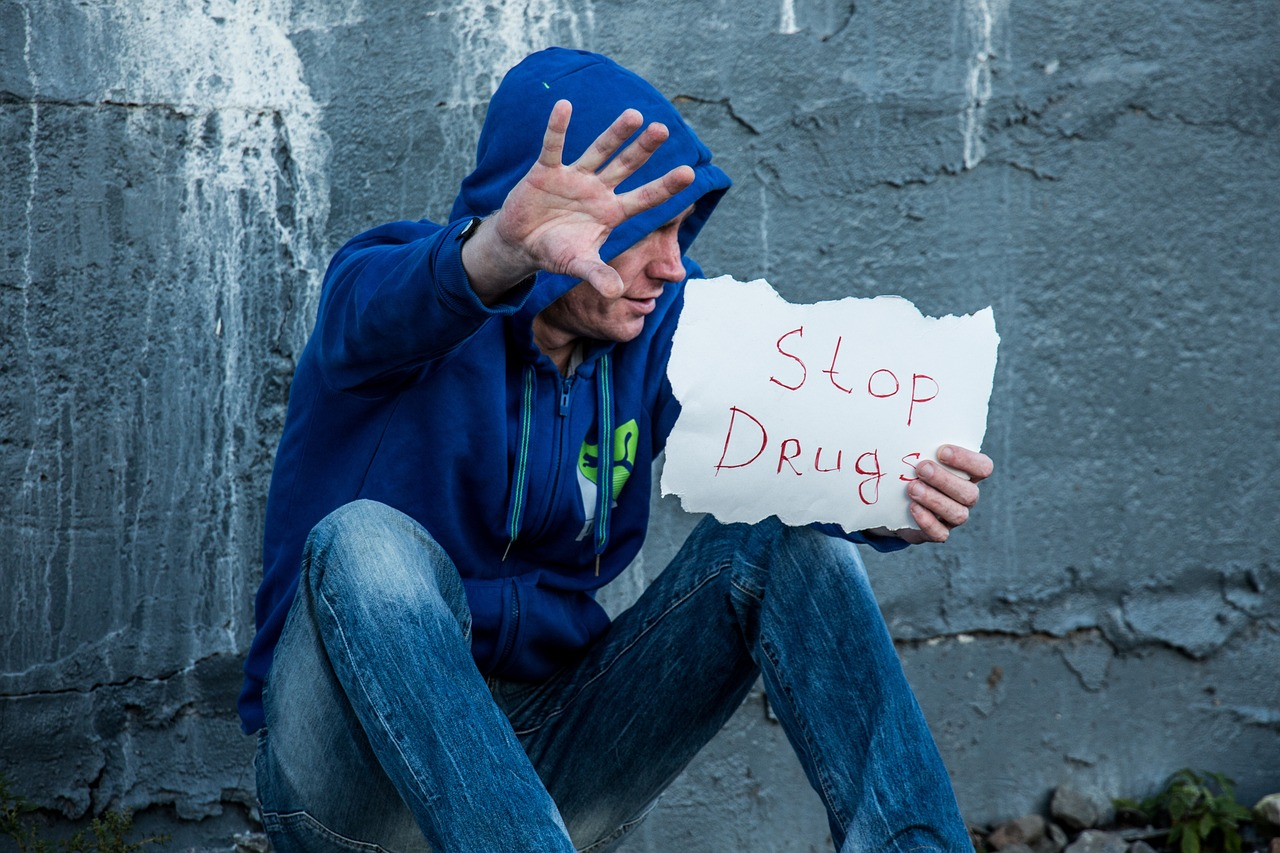
Drug rehab guides people addicted to harmful substances into lives free of dependency through specialized help overcoming the disease of addiction. Rehab empowers individuals to regain life stability and control resisting cravings stopping compulsive substance use improving wellbeing immensely.
What is Drug Rehab?
Drug rehabilitation programs provide medical care and counseling for treating addiction. They help people stop misusing alcohol, sedatives, opioids, marijuana, stimulants, and other drugs restoring health functioning without reliance on substances long term. Multi-level care navigates detoxification and then prevents relapse through medications, therapies, education, self-help strategies, and healthy lifestyle changes.
Why is Drug Rehab Important?
Attending rehab proves extremely beneficial because addiction profoundly disrupts physical health, work/school functioning, relationships, finances, and overall stability. Successful recovery is possible but tough alone making customized support necessary.
Key reasons formal rehab matters:
- Medically manages dangerous withdrawal side effects
- Identifies root causes and trauma triggering abuse
- Builds internal resilience avoiding reversion back
- Offsets the likelihood of major life losses
- Provides aftercare and peer community bonding
- Teaches healthy coping without drugs
- Breaks denial/secrecy to accept help
Types of Drug Rehab Programs
There are different kinds of drug rehab programs. Each one is designed to help people in different situations:
- Inpatient Rehab – Intense around-the-clock care inside specialized treatment facilities isolating patients from triggers and successfully detoxing physically while receiving intensive counseling, life skills, and wellness activities round-the-clock.
- Outpatient Rehab – Patients live at home attending structured multi-hour addiction appointments 1-5 days weekly at clinics benefitting those with family/work commitments needing flexible solutions.
- Residential Rehab – Live-in care at designated sober homes provides substance-free housing with peer support, scheduled rehab programming and transition help rebuilding routines in trigger-free spaces before returning home independently.
- Partial Hospitalization – All-day treatment programs lasting 8+ hours for individuals needing concentrated addiction help via extended care models without requiring overnight facility stays.
- Intensive Outpatient – Customized counselor-led evening/weekend rehab services strengthen coping strategies by applying tools directly in real-world settings facing temptations.
What Happens in Drug Rehab?
Customized rehab flows follow structured sequences:
- Detox – Medically supervised initial physical withdrawal and cleansing eliminating substances from bodily systems. Varies by substance. Usually 7-10 days.
- Therapies – Individual and group counseling builds insights into addiction drivers using talk therapy approaches, cognitive behavioral tools, and experiential methods to prevent relapse long-term. Family sessions are often included.
- Education – Teaching addiction origins in the brain, warning signs, high-risk triggers, and healthy prevention habits helps patients gain self-awareness battling dependency intelligently.
- Life Skills – Practical coaching on relapse prevention planning, money management, goal setting, relationship restoration, and lifestyle balance helps transition successfully avoiding triggers.
- Medications – Prescribed non-addictive medications treating lingering withdrawal symptoms, cravings, and potential co-occurring mental health matters allow patients to focus fully on healing.
- Aftercare Planning – Discharge plans detail continued peer support meetings, outpatient therapy appointments, community health referrals, and family resources sustaining long-term recovery.
How Long Does Drug Rehab Take?
The length of rehab can be different for each person. Some programs last 30 days, while others can go on for several months or even a year. The right length depends on:
- How serious your addiction is
- What kind of drugs do you use
- If you have other health problems
- How much support you have at home
Remember, recovery is a process that continues even after you leave rehab.
What Makes Drug Rehab Work?
Several things can make rehab more likely to succeed:
- Customized Treatment Plans – Personalized therapies, medical care, and holistic plans tailored to individuals yield better engagement and efficacy in dealing with unique health histories.
- Comprehensive Care – Concurrently treating co-occurring disorders like depression, trauma, or eating disorders alongside addiction handles underlying issues fueling reliance on substances holistically.
- Adequate Program Lengths – Industry guidelines recommend 90 days of residential rehab or longer facilitating lifestyle habit shifts cementing lasting substance-free behavior changes. Prematurely ending treatment risks relapse.
- Family and Friend Support – Encouragement from close supports who reinforce treatment gains through ongoing understanding and forgiveness outside controlled settings aids application back home.
- Aftercare Services – Outpatient therapy, alumni groups, recovery coaching, routine health tracking, and open communication avenues prevent returning to substance misuse after intensive rehab by sustaining gains.
Challenges in Drug Rehab
While rehab can be very helpful, it’s not always easy. Some common challenges include:
- Withdrawal – Physiological substance cessation symptoms cause flu-like discomfort, appetite/sleep disruption, cramps, shakes, or sweats lasting days to weeks requiring care optimism.
- Cravings – Intense desires for substances stem from chemical dependency factors and habitual behaviors needing coaching through distraction urges without feelings of failure.
- Personal Issues – Underlying untreated trauma, grief, pain, anxiety, anger, or shame often resurface needing processing for closure to avoid self-medicating adversity repeating harms.
- Lifestyle Changes – Relearning positive routines, triggers avoidance tactics, diversionary social hobbies, and emotional self-regulation completely alters lifestyles requiring dedication.
- Relapse Risk – Without sustained diligence in maintaining treatments or applying new tools, 70% relapse partially explaining why ongoing peer support post-rehab proves so pivotal in preventing backslides.
Life After Drug Rehab
Finishing drug rehab in New Jersey is a big achievement, but recovery is an ongoing process. Here’s what life after rehab might look like:
- Ongoing Treatment – Regular therapy, medications, check-ins, and primary care coordinate sustaining focus on combating chronic relapse risks through accountability.
- Support Groups – 12-step programs, mentorships, group counseling, and motivating communities reinforce commitment to not using again.
- Healthy Lifestyles – Nutritious eating, frequent movement, and smart routine choices nurture mental wellness bolstering recovery.
- Relationship Building – Repairing damaged ties, making amends forging new social connections grounded in openness cultivating positivity.
- Life Purpose – Having goals, meaning, and rewarding ventures generating happiness intrinsically motivates maintaining sobriety long-term.
- Stress Relief – Yoga, meditations, massages, and nature exposure manage tension, uncertainty, trauma triggers, and depression-prone lingering post-rehab.
Conclusion
Drug rehab is a powerful tool for overcoming addiction. It offers support, education, and skills to help people build a new life without drugs. While it can be challenging, rehab can lead to big positive changes. If you or someone you know is struggling with drug addiction, remember that help is available. Rehab can be the first step towards a healthier, happier life. Recovery is possible, and with the right support, anyone can overcome addiction and build a brighter future.
