

Shoulder pain ruins everything.
You know that nagging ache that makes simple tasks like reaching for a coffee cup feel impossible? Or that sharp pain that shoots through your shoulder when you try to sleep on your side?
You’re not alone. Shoulder pain affects up to 26% of adults at any given time, making it one of the most common musculoskeletal complaints people face.
Here’s the thing…
Most people think shoulder pain will just go away on its own. But research shows that only 50% of shoulder pain cases recover completely after six months without proper treatment.
That’s where shoulder physiotherapy comes in.
When you’re dealing with persistent shoulder pain, finding the right professional help makes all the difference. If you’re in Australia, working with experienced shoulder physio in Melbourne practitioners can provide you with targeted treatment plans that address the root cause of your pain rather than just masking symptoms.
What you’ll discover:
- Understanding Your Shoulder Pain
- The Science Behind Shoulder Physiotherapy
- Proven Techniques That Work
- Exercise Programs That Get Results
- How to Avoid Common Treatment Mistakes
Why Your Shoulder Hurts (And Why It Matters)
Your shoulder is a marvel of engineering that can also be a complete nightmare.
It’s the most mobile joint in your body, which means it’s incredibly useful for everyday activities. But that same mobility makes it vulnerable to injury and pain.
The most common culprits include:
- Rotator cuff problems
- Frozen shoulder (adhesive capsulitis)
- Shoulder impingement
- Muscle strains and tears
- Arthritis
But here’s what most people don’t realize…
The shoulder doesn’t work in isolation. Your neck, upper back, and even your core all play a role in shoulder function. That’s why effective shoulder physiotherapy looks at your whole body, not just the painful spot.
Research shows that shoulder pain prevalence increases with age, particularly in physically demanding occupations. This means that if you’re over 50 and work in a job that requires repetitive shoulder movements, you’re at higher risk.
The Science Behind Effective Shoulder Physiotherapy
Want to know why physiotherapy actually works for shoulder pain? It’s not magic – it’s based on solid science that focuses on restoring normal movement patterns and building strength where you need it most.
Your muscles learn to work together properly again. When you have shoulder pain, your brain starts using different muscle patterns to avoid the painful movement. Over time, these compensations become habits that actually make the problem worse.
Physiotherapy helps retrain these patterns through specific exercises and manual techniques.
Movement Representation Techniques Show Promise
Recent research has uncovered something pretty exciting about how we can treat shoulder pain more effectively. A 2025 study found that movement representation techniques produced significant pain reduction with large effect sizes for both pain relief and functional improvement in people with shoulder pain.
These techniques work by helping your brain create better movement patterns before you even start moving.
Manual Therapy: The Hands-On Approach That Works
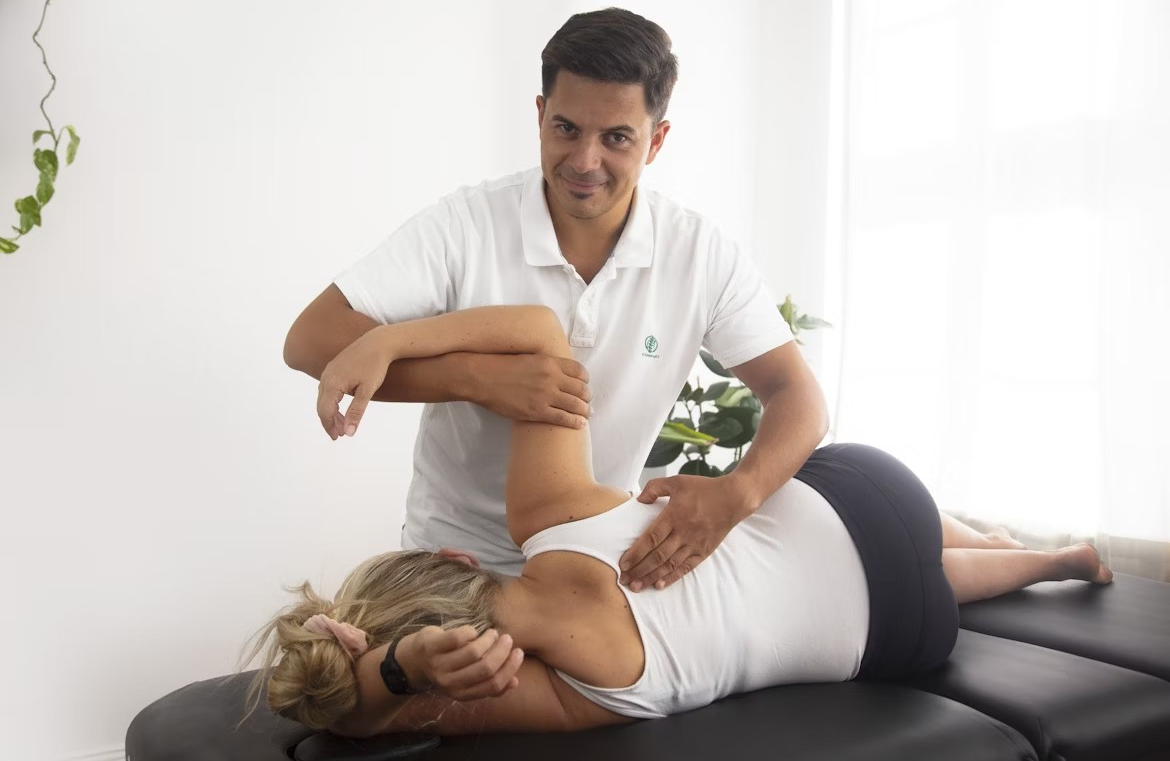
Manual therapy isn’t just fancy massage. It’s a precise technique where physiotherapists use their hands to mobilize joints, stretch tight tissues, and improve blood flow to healing tissues.
A 2024 study showed that adding manual therapy to exercise programs improved long-term outcomes compared to exercise alone. Patients who received both manual therapy and exercises had better results at 26 and 52 weeks compared to those who only did exercises.
Joint Mobilization Techniques
Joint mobilization involves gentle, controlled movements applied to your shoulder joint to restore normal movement patterns. Your physiotherapist will assess which directions your shoulder is stiff in, then apply specific techniques to improve mobility.
Soft Tissue Techniques
Tight muscles and fascia around your shoulder can perpetuate pain and limit movement. Soft tissue techniques help release these restrictions through targeted pressure and stretching.
Exercise Therapy: Building a Bulletproof Shoulder
Exercise is where the magic really happens. But not just any exercise-specific, targeted movements that address your shoulder’s unique problems and rebuild strength in the right areas.
They teach your muscles to work as a team again. When you have shoulder pain, some muscles become overactive while others shut down. The right exercise program restores this balance.
Research proves that shoulder-specific exercise therapy produces significant pain relief. A 2024 network meta-analysis found that exercise therapy provided pain relief up to 52 weeks for people with chronic shoulder pain.
Strengthening the Rotator Cuff
Your rotator cuff muscles are like the unsung heroes of shoulder function. These four small muscles work together to stabilize your shoulder during movement. When they’re weak or injured, everything else suffers.
Key rotator cuff exercises include:
- External rotation with resistance bands
- Internal rotation strengthening
- Scapular wall slides
- Prone shoulder extensions
The trick is starting with light resistance and focusing on perfect form rather than heavy weights.
Progressive Loading Strategies
One thing that separates effective physiotherapy from random exercise is progressive loading. This means gradually increasing the demands on your shoulder as it heals and gets stronger.
Recent research shows that progressive shoulder exercises are not only safe but may be just as effective as surgery for certain conditions. A Danish study found that 89% of patients had high adherence to progressive exercise programs, with significant improvements in pain and function.
Addressing Movement Patterns
Your shoulder doesn’t move in isolation. Every time you reach overhead, your shoulder blade, spine, and even your hips contribute to the movement. When one part isn’t working properly, your shoulder pays the price.
Your physiotherapist will assess how you move during everyday activities and identify faulty patterns that contribute to your pain. Then they’ll teach you better ways to move that protect your shoulder.
Scapular Control Exercises
Your shoulder blade provides the stable platform from which your arm moves. Poor scapular control is often the hidden culprit behind persistent shoulder pain. Scapular exercises help restore normal movement patterns.
Pain Science and Education
Here’s something most people don’t expect from physiotherapy – learning about pain itself. Modern pain science has taught us that pain isn’t always directly related to tissue damage.
When you understand that pain doesn’t always mean harm, you can approach your recovery with more confidence. This education component is a crucial part of effective shoulder physiotherapy.
What to Expect from Treatment
Physiotherapy for shoulder pain isn’t a quick fix. Most people start seeing improvements within 2-4 weeks, but full recovery can take several months.
A typical treatment plan includes:
- Initial assessment and goal setting
- 6-12 weeks of active treatment
- Gradual return to normal activities
- Long-term maintenance exercises
The key is consistency. People who stick to their exercise programs have much better long-term outcomes.
Avoiding Common Mistakes
Want to know the fastest way to derail your shoulder recovery? Ignoring your physiotherapist’s advice and trying to push through severe pain.
Other common mistakes include:
- Stopping exercises when pain improves
- Focusing only on the painful area
- Expecting instant results
- Not addressing contributing factors
Making the Right Choice
Effective shoulder physiotherapy combines evidence-based techniques with personalized care. The best physiotherapists don’t just treat your shoulder – they treat you as a whole person.
If you’re ready to take control of your shoulder pain, don’t wait for it to get worse. Early intervention leads to better outcomes and can prevent chronic pain patterns.
Your shoulder has the potential to feel better and function normally again. With the right approach, most people can return to their normal activities without shoulder pain holding them back.
Getting Things Sorted
Shoulder pain doesn’t have to control your life. With proper physiotherapy treatment that includes manual therapy, specific exercises, and education about your condition, most people see significant improvements in their pain and function.
The research is clear: physiotherapy works for shoulder pain when it’s done correctly. Don’t let fear or misconceptions keep you from getting the help you need.
Take action today and start your journey back to pain-free shoulder function.
