

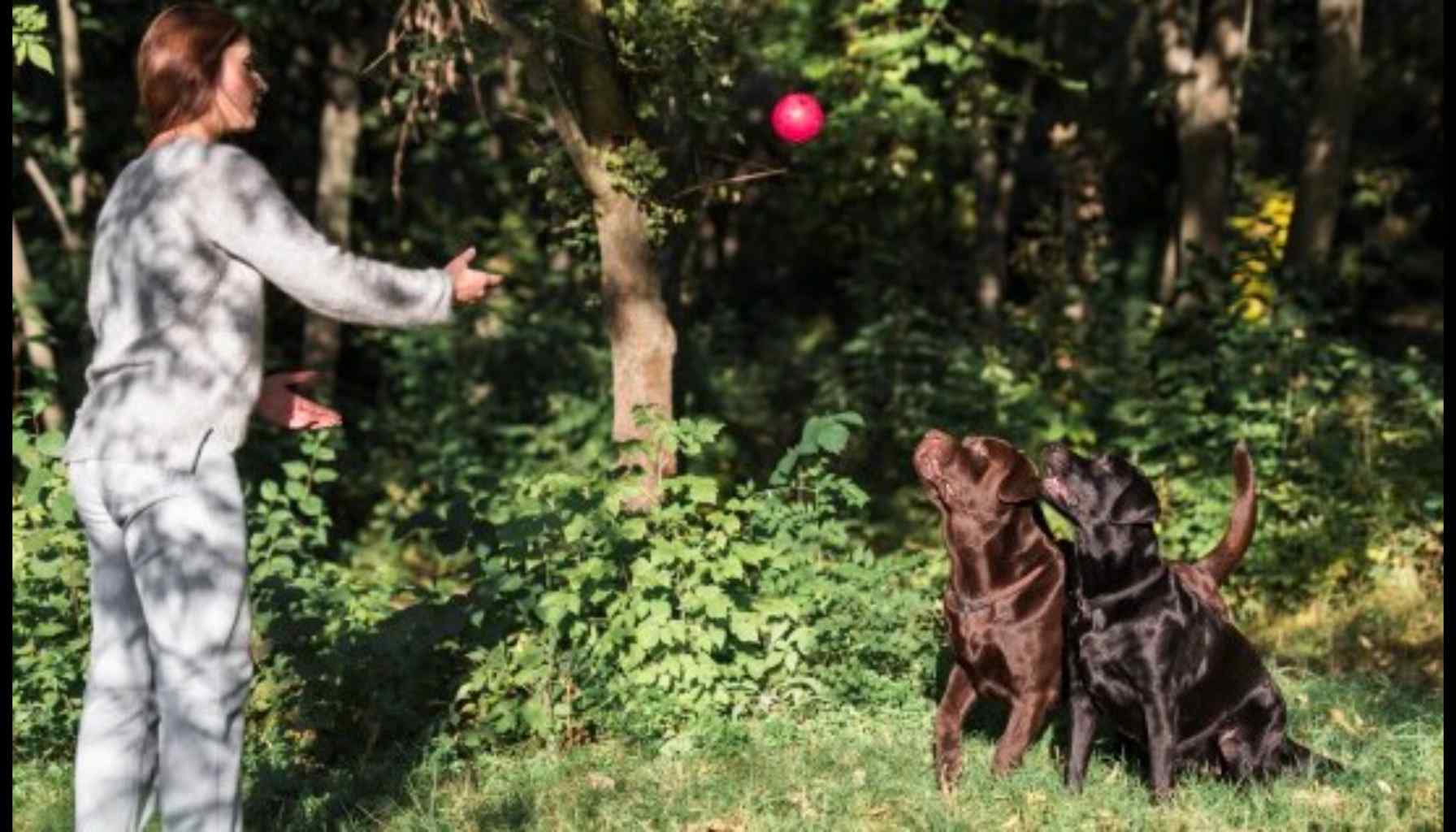
Dogs are famous for their extraordinary sense of smell. Their noses can detect scents that humans cannot recognise, making them valuable partners in environmental protection. Today, specially trained dogs are helping scientists, conservationists and forest authorities identify and protect endangered plant species. By sniffing out rare plants, invasive weeds and threatened vegetation, these canine detectives are contributing to biodiversity conservation.
The Extraordinary Sense of Smell in Dogs
A dog’s sense of smell is remarkably powerful. Dogs have hundreds of millions of scent receptors in their noses, compared with approximately six million in humans. Their brains also have a specialised ability to process smells.
This natural ability allows them to identify the distinctive chemical compounds released by plants. Even when a plant is hidden beneath thick vegetation, covered by fallen leaves or growing in a remote location, a trained dog may be able to detect its presence.
Conservation organisations are increasingly exploring this ability to locate rare and endangered plants without disturbing their natural habitats.
How Dogs Help Protect Plant Species
Conservation Detection Dogs for Invasive Plants
‘Botanist puppies’: Sniffer dogs detect noxious weeds threatening Kosciuszko National Park – ABC News
How sniffer dogs have moved on from drugs and bombs to Japanese knotweed | Country Life
Dogs undergo specialised training to recognise the unique scent of particular plant species. Trainers introduce them to the smell of a target plant and reward them when they successfully identify it.
Once trained, dogs can accompany researchers into forests, grasslands, wetlands and other natural environments.
Their work includes:
Finding endangered plants: Dogs can help locate rare plants that are difficult for researchers to spot.
Detecting invasive species: They can identify invasive plants before these spread and threaten native vegetation.
Monitoring plant populations: Repeated searches help scientists understand where particular species grow and whether their populations are changing.
Protecting natural habitats: Early identification of harmful plants allows conservation teams to take appropriate action.
Supporting scientific research: Dogs can help researchers collect information about plant distribution and biodiversity.
Protecting Endangered and Rare Plants
Many plant species face threats from deforestation, climate change, urban development, pollution and invasive vegetation. Some rare plants are extremely difficult to locate because they grow in isolated areas or resemble other species.
Detection dogs offer an additional method of finding these plants. Their ability to search large areas efficiently can save researchers considerable time.
For example, a trained dog may detect a rare plant through its scent even when only a small portion of it is visible. This can help conservationists identify previously unknown populations and develop suitable protection plans.
Preventing the Spread of Invasive Plants
Invasive plant species can damage ecosystems by competing with native plants for sunlight, water and nutrients. Some spread rapidly and alter the natural balance of an environment.
Detection dogs can be trained to recognise the scent of specific invasive species. By identifying their presence at an early stage, they help conservation teams control their spread before the plants become widespread.
This approach can reduce the need for extensive clearing operations and support more targeted environmental management.
A Partnership Between Dogs and Humans
Sniffing Out Invasive Species
The success of conservation dogs depends on cooperation between animals and their handlers. Dogs need regular training, exercise, rewards and proper care.
Handlers must understand canine behaviour and learn to recognise signals indicating that a dog has detected a target scent. Scientists then verify the findings through botanical identification.
Dogs do not replace botanists or conservation experts. Instead, they provide an additional tool that makes environmental surveys more effective.
A Promising Future for Conservation
Using dogs to protect plant species demonstrates how animals can contribute to solving environmental challenges. Their remarkable noses, enthusiasm and ability to work alongside humans make them valuable conservation partners.
As biodiversity faces increasing pressure worldwide, detection dogs could play a greater role in identifying endangered plants, monitoring invasive species and protecting fragile ecosystems.
Ultimately, these four-legged environmental guardians remind us that nature conservation requires creativity, cooperation and respect for all living creatures. By putting their extraordinary sense of smell to work, dogs are helping humans discover, understand and protect the plant life on which healthy ecosystems depend.
We wish this effort all the best
By Jamuna Rangachari
