

Introduction
The human body constantly responds to thoughts, emotions, activities and environmental changes.
Using specialised sensors and monitoring equipment, biofeedback makes otherwise difficult-to-notice physiological changes visible or audible. Individuals can observe their responses while practising breathing exercises, relaxation techniques and other self-regulation skills. Over time, this process may help them understand how their bodies respond to stress and discover techniques that promote greater calm and control.
Its effectiveness depends on the condition being addressed, the training method and individual circumstances.
Biofeedback
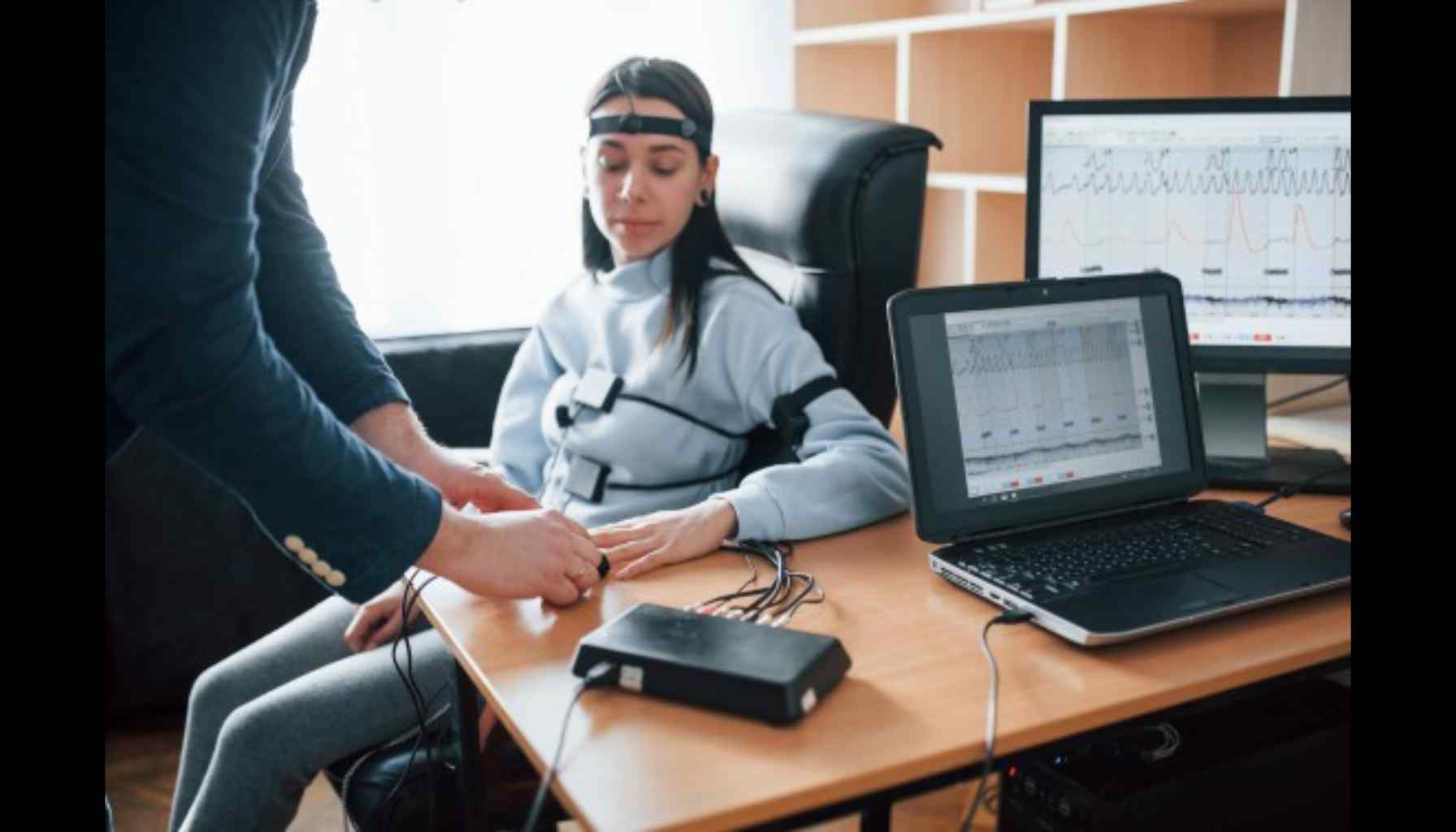
Biofeedback is a mind-body training technique that uses electronic monitoring devices to provide information about physiological processes. These may include heart rate, breathing patterns, muscle activity, skin temperature, sweating responses and, in specialised settings, brain activity.
For example, a person practising relaxation may observe changes in breathing rate or muscle tension.
The measurements must be interpreted correctly, and changes in a reading do not automatically indicate improved health.
Understanding Biofeedback and Mind-Body Regulation
The Connection Between the Mind and Body
The mind and body continuously influence one another. Emotional experiences can affect breathing, heart rate, muscle activity and digestion. Similarly, physical discomfort, fatigue and poor sleep can influence mood, concentration and emotional resilience.
Biofeedback helps people observe some of these responses as they happen. d.
Recognising such patterns creates an opportunity to practise more helpful responses. With appropriate training, individuals may learn to relax certain muscles, adjust their breathing or identify situations that trigger physiological arousal.
How Biofeedback Measures Physiological Responses
Depending on the method, the information may appear as a moving graph, a numerical reading, a sound or a visual animation.
The Role of Awareness in Stress Management
Stress can sometimes build gradually without a person recognising its early signs. Jaw clenching, shallow breathing, tense shoulders and restlessness may become familiar habits.
Biofeedback can help bring attention to these patterns. When a person notices a physiological change while experiencing a stressful situation, they may be able to respond earlier with a suitable coping strategy.
Methodology of Biofeedback Training
Measuring Heart Rate, Breathing and Muscle Tension
Some programmes use heart-rate variability (HRV), which refers to variation in the time intervals between successive heartbeats.
In suitable circumstances, guided breathing can influence HRV patterns.
EMG biofeedback focuses on muscle activity.
The choice of measurement depends on the individual’s needs and the intended outcome.
Monitoring Skin Temperature and Sweating Responses
During training, a person may practise relaxation while observing temperature changes.
Electrodermal biofeedback measures changes in skin conductance associated with sweat gland activity.
Understanding Brainwave Patterns Through Neurofeedback
Neurofeedback uses measurements of brain activity, commonly obtained through electroencephalography (EEG). The recorded activity is processed and presented as visual or auditory feedback.
Some programmes aim to help participants practise particular patterns of attention or self-regulation. Neurofeedback is used in selected clinical and research settings, but the evidence supporting its effectiveness differs considerably by condition and protocol.
It should not be assumed that every neurofeedback programme is effective or that changing a displayed brainwave pattern necessarily produces a meaningful health benefit. Individuals considering treatment for a medical or psychological condition should discuss the evidence and alternatives with a qualified professional.
Learning Relaxation and Self-Regulation Techniques
Using Real-Time Feedback to Improve Control
If a technique does not produce the expected result, the individual can adjust it with guidance.
Successful training focuses on learning and consistency rather than achieving a perfect score every time.
The Biofeedback Process Step by Step
Assessing Individual Needs and Wellness Goals
The first step is to identify the problem or skill the person wants to address.
A healthcare professional may assess relevant symptoms, medical history and current treatment.
Selecting Appropriate Sensors and Monitoring Equipment
The equipment depends on the intended application. EMG sensors may be selected for muscle tension, respiratory sensors for breathing patterns, and heart-rate monitors for cardiovascular feedback.
Some people use professionally supervised equipment, while others practise with consumer devices. The accuracy, reliability and clinical usefulness of devices vary, so a consumer wellness tracker should not automatically be treated as a medical instrument.
Establishing Baseline Physiological Measurements
At the beginning of training, the practitioner records measurements under defined conditions.
The individual may sit comfortably and breathe normally while the equipment records the selected physiological activity. Baseline measurements are not diagnostic on their own; they help establish a starting point for the training process.
Practising Guided Breathing and Relaxation Exercises
The practitioner introduces exercises suited to the person’s goals. These may include comfortable breathing, gentle muscle relaxation or guided attention.
The person practises while watching or listening to the feedback. Breathing should remain comfortable rather than forced. If an exercise causes dizziness, distress or discomfort, the person should stop and seek guidance as appropriate.
Observing Bodily Responses and Adjusting Techniques
The individual observes how the readings change during practice. The practitioner may suggest adjusting posture, breathing pace or muscle-relaxation techniques.
Different methods may produce different results, and responses can vary according to fatigue, surroundings and emotional state. The process encourages curiosity and experimentation within safe limits.
Reviewing Progress With a Qualified Practitioner
Progress is reviewed through a combination of physiological measurements, personal experience and relevant functional outcomes. Depending on the goal, this might include changes in muscle tension, headache frequency or the ability to recognise early signs of stress.
A qualified practitioner can help determine whether the training is useful and whether the approach needs adjustment.
Developing Independent Self-Regulation Skills
As training progresses, the aim is to use the learned skills in daily life. Individuals may practise comfortable breathing during a demanding workday or relax specific muscles when they notice tension.
The long-term objective is to develop practical coping skills without needing to depend on monitoring equipment continuously.
Benefits of Biofeedback Training
Improved Awareness of Physiological Stress Responses
Biofeedback can help people recognise bodily changes that accompany stress. Understanding these responses may make it easier to identify personal patterns and intervene before tension becomes overwhelming.
Better Relaxation and Stress Management Skills
When combined with suitable exercises, biofeedback may help individuals practise relaxation and improve their ability to regulate certain physiological responses. These skills can complement other stress-management approaches, including mindfulness and counselling.
Potential Support for Certain Headaches and Migraine Conditions
Biofeedback is used as a behavioural treatment for some headache disorders, including migraine and tension-type headache. Certain approaches may help people manage stress, muscle tension or other relevant physiological patterns.
The degree of benefit varies, and biofeedback is not a universal treatment for every headache. People with new, severe or changing headaches should seek appropriate medical assessment.
Potential Benefits for Specific Muscle Tension and Pain Conditions
EMG biofeedback may be helpful for selected conditions involving muscle tension or difficulty controlling muscle activity. It can help individuals learn to recognise contraction and practise relaxation.
Biofeedback may also form part of a broader pain-management programme. It should not be presented as a cure for chronic pain, which can have many contributing factors.
Improved Pelvic Floor Muscle Awareness With Appropriate Training
Pelvic floor biofeedback can help selected individuals understand whether they are contracting or relaxing the correct muscles. It may be used as part of treatment for certain urinary, bowel or pelvic floor difficulties.
Because pelvic floor problems can involve either weakness or excessive tension, treatment should be individualised. A qualified pelvic health clinician can determine whether biofeedback is appropriate and how it should be used.
Greater Confidence in Managing Bodily Responses
Learning to recognise and respond to physiological changes may help people feel more confident when dealing with stressful situations. Confidence is more likely to develop through regular, realistic practice than through an expectation of complete control over the body.
Types of Biofeedback and Their Applications
Heart Rate Variability Biofeedback
HRV biofeedback uses heart-rate timing information, often alongside breathing guidance. It may support stress-management training and relaxation when used appropriately.
Electromyography for Muscle Tension
EMG biofeedback measures muscle activity and helps people practise relaxing or controlling selected muscles. It is used in certain rehabilitation and muscle-management programmes.
Thermal Biofeedback for Skin Temperature
Thermal biofeedback measures skin temperature and may help participants explore relaxation techniques that influence peripheral temperature.
Respiratory Biofeedback for Breathing Patterns
Respiratory biofeedback tracks breathing rate or movement. It can help people recognise their breathing habits and practise a comfortable, steady pattern.
Neurofeedback for Monitoring Brain Activity
Neurofeedback presents information about measured brain activity. Its suitability depends on the condition, training protocol and available scientific evidence.
Electrodermal Biofeedback for Sweating Responses
Electrodermal biofeedback monitors changes in skin conductance associated with sweating. It can demonstrate physiological arousal and may be incorporated into selected self-regulation programmes.
Lifestyle Practices That Complement Biofeedback
Practising Slow and Comfortable Breathing
Gentle, unforced breathing can complement many biofeedback programmes. Individuals can try breathing slowly and comfortably without taking unusually deep breaths or holding their breath.
If breathing exercises cause dizziness or discomfort, return to normal breathing and seek professional guidance if symptoms persist.
Incorporating Mindfulness and Progressive Muscle Relaxation
Mindfulness involves paying attention to present experiences without immediately judging them. Progressive muscle relaxation involves gently tensing and releasing selected muscle groups, where appropriate.
Both approaches can help people recognise tension and develop relaxation skills. They may be practised independently or alongside professional biofeedback training.
Maintaining Consistent Sleep and Physical Activity Routines
Regular sleep habits, suitable physical activity and restorative breaks support general health. A balanced lifestyle can also make it easier to practise self-regulation consistently.
Individuals should adapt exercise and sleep routines to their health needs and seek advice when medical conditions require specific precautions.
Identifying Everyday Stress Triggers
Keeping a simple record of stressful situations, bodily sensations and coping strategies may reveal recurring patterns. For example, a person may notice increased tension during prolonged screen use or before difficult conversations.
Recognising these triggers creates opportunities to plan breaks, change routines or seek additional support.
Tracking Progress Through Regular Practice
Short, consistent practice sessions may be easier to maintain than occasional lengthy sessions. Individuals can record their practice, symptoms and perceived usefulness without becoming overly focused on numerical readings.
Progress should be judged by meaningful improvements in daily functioning and well-being, not only by device measurements.
Limitations and Considerations in Biofeedback
Understanding Individual Differences in Results
Biofeedback does not work equally well for everyone. Outcomes depend on the condition, training method, practitioner expertise, individual engagement and other personal factors.
Some people notice useful changes, while others experience limited benefits. Realistic expectations are essential.
Choosing Evidence-Based Training and Qualified Practitioners
Individuals should seek practitioners with relevant training and experience in the condition being addressed. Ask about the method, expected outcomes, supporting evidence, possible risks and how progress will be evaluated.
Be cautious of claims that biofeedback can cure multiple unrelated conditions or guarantee control over every bodily function.
Considering Equipment Costs and Accessibility
Professional sessions and specialised equipment may be expensive or difficult to access. Consumer devices can offer convenient feedback, but their measurements and training programmes vary in quality.
Before investing in equipment, consider whether supervised training, a simpler approach or another evidence-based intervention would better meet the goal.
Using Biofeedback Alongside Appropriate Medical Care
Biofeedback should not replace prescribed treatment, medical assessment or psychological care when these are needed. People with persistent symptoms or significant health concerns should consult an appropriate healthcare professional.
Biofeedback equipment is also not a substitute for medical monitoring unless it has been specifically designed and prescribed for that purpose.
FAQs on Biofeedback
Typical Structure of a Biofeedback Session
A session commonly begins with a discussion of goals, followed by sensor placement and baseline measurements. The participant then practises selected exercises while observing feedback. The session usually ends with a review of the experience and suggestions for further practice.
The duration and structure vary according to the method, setting and individual needs.
Time Required to Develop Self-Regulation Skills
There is no universal timeline. Some individuals notice changes in awareness after a few sessions, while developing reliable skills may require repeated practice over several weeks or longer.
The frequency and duration of training depend on the person’s goals and the programme recommended by the practitioner.
Differences Between Biofeedback and Neurofeedback
Biofeedback is the broader term for training that uses measurements of bodily functions, such as heart rate, breathing, skin temperature or muscle activity.
Neurofeedback is a specialised form that uses measurements of brain activity, commonly recorded through EEG, to provide feedback during training.
Conditions That May Benefit From Biofeedback
Biofeedback has applications in certain headache disorders, selected muscle and pelvic floor conditions, and some stress-management or rehabilitation programmes. Evidence varies according to the condition and the specific method used.
A qualified healthcare professional can help determine whether it is suitable for a particular problem.
Incorporating Biofeedback Into a Personal Wellness Routine
Biofeedback can become part of a personal wellness routine when it is connected to clear goals and practical everyday habits. Individuals may begin by identifying one concern, such as frequent muscle tension or difficulty relaxing after work, and exploring whether a suitable training programme is available.
A simple routine might include a brief period of comfortable breathing, a few minutes of mindful awareness and a short reflection on physical tension. If biofeedback equipment is being used, its readings can provide additional information about selected physiological responses.
Consistency is more important than perfection. A person does not need to feel completely relaxed after every practice session. The aim is to become more familiar with personal responses and learn which techniques are helpful in different circumstances.
It is also important to balance self-monitoring with ordinary life. Constantly checking physiological readings can become distracting for some people. Equipment should support awareness rather than create anxiety about normal fluctuations.
For individuals managing medical conditions, professional guidance can help integrate biofeedback safely with other treatments. Over time, the combination of appropriate training, healthy routines and realistic expectations may support a more informed and confident approach to well-being.
Conclusion
Biofeedback offers a practical way to observe selected physiological responses and practise self-regulation. By making changes in heart rate, breathing, muscle activity, skin temperature or other measurements visible, it can help individuals understand how their bodies respond to different situations.
Its potential benefits include greater physiological awareness, improved relaxation skills and support for certain headache, muscle and pelvic floor conditions. However, outcomes vary, and the evidence differs across applications. Biofeedback is most appropriately used as a targeted training method, with qualified guidance when needed, rather than as a universal solution to health problems.
When combined with suitable medical care, mindfulness, comfortable breathing, regular physical activity and consistent sleep habits, biofeedback may become a useful component of a balanced wellness routine. The ultimate goal is not to control every bodily response but to develop greater awareness, flexibility and confidence in responding to everyday challenges.
We wish everyone all the best for a healthy life incorporating biofeedback if required.
By Jamuna Rangachari
