

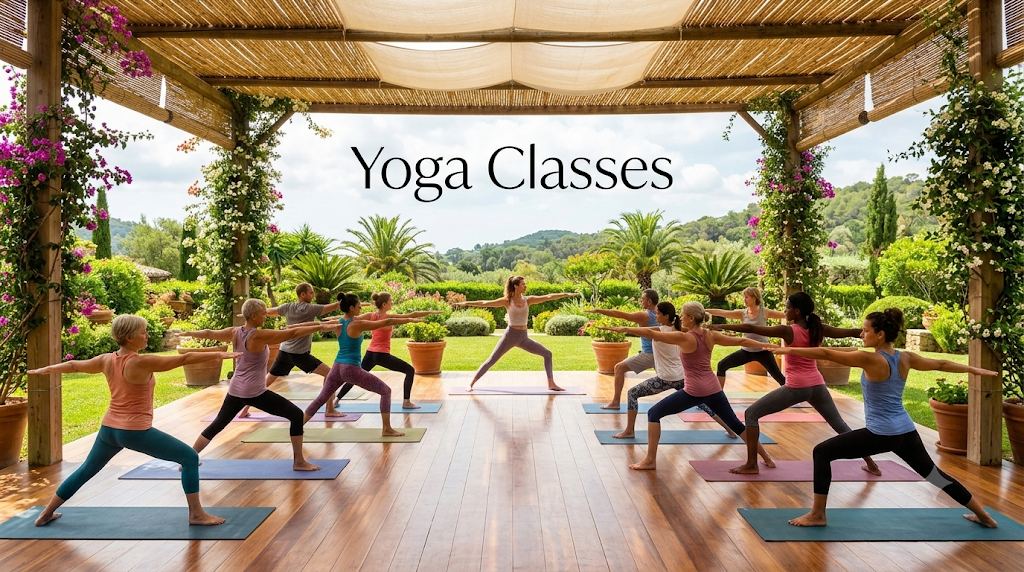
Yoga classes come in so many styles and formats that choosing one can feel harder than the first downward dog. Some are gentle and meditative, others are fast and sweaty. Some happen in a studio, others on a screen at home. The right class makes you want to return, while the wrong one can leave you sore, confused or discouraged. This guide helps you match a class to your goals, your body and your schedule.
Key Takeaways
- Match style to goal: Gentle classes suit relaxation, while flowing classes build strength and stamina.
- Format matters: Studio, online, private and group classes each suit different needs.
- Consistency beats intensity: A regular, comfortable routine does more than occasional hard sessions.
What Are Yoga Classes and What Do They Include?
Yoga classes are guided sessions in which a teacher leads you through postures, breathing techniques and relaxation. Most last between 45 and 90 minutes and follow a simple structure: a calm start, warm-up movements, the main postures, cool-down stretches and a final rest. Many also include a short meditation or breathing practice, and some begin with a theme or intention.
What sets a class apart from practising alone is feedback. A good teacher explains alignment, offers variations and notices when someone is straining, which makes the practice safer and more effective, especially for beginners.
Types of Yoga Classes at a Glance
| Style | Pace | What to expect | Best for |
| Hatha | Slow to moderate | Basic postures held with breathing | Beginners and general wellbeing |
| Vinyasa | Moderate to fast | Poses linked by breath in a flowing sequence | Strength, stamina and variety |
| Ashtanga | Fast, structured | A set series of poses practised in order | Discipline and strength |
| Iyengar | Slow | Precise alignment, often with props | Posture, injuries and detail-lovers |
| Yin | Very slow | Long, passive holds close to the floor | Flexibility and deep relaxation |
| Restorative | Very slow | Supported rest with bolsters and blankets | Stress, recovery and sleep |
| Power yoga | Fast | Athletic, strength-focused sequences | Fitness-driven practitioners |
| Prenatal yoga | Gentle | Poses adapted for pregnancy | Expectant mothers (with medical approval) |
Choosing Between Yoga Class Formats
Studio group classes. You practise in a room with others, guided by a teacher in person. The atmosphere is motivating, and you receive hands-on corrections. The downside is fixed timings and travel.
Online live classes. You join a teacher over video from home. These offer interaction with a teacher and flexibility on location, and some let you ask questions during the session.
Recorded classes. You practise whenever you like, at your own pace. They suit busy schedules, although you won’t get personal feedback.
Private classes. One-to-one sessions are tailored to your needs, which makes them ideal for beginners, injuries or specific goals, though they cost more.
Workplace and community classes. Corporate sessions, society classes and community programmes bring yoga into everyday settings, often with a relaxed, accessible approach.
How to Choose the Right Yoga Class
- Define your goal. Are you looking for flexibility, strength, stress relief, weight management or a spiritual practice?
- Be honest about your level. If you’re new, look for beginner or foundational classes, and ease into faster styles later.
- Check the teacher. Look for training, teaching experience and a clear, welcoming style.
- Consider class size. Smaller classes give you more individual attention.
- Try a trial class. Many studios offer a free or discounted first session.
- Check practicalities. Location, timings, fees and cancellation rules affect whether you’ll actually go.
- Notice how you feel afterwards. You should leave feeling calmer or more energised, not drained or in pain.
What to Expect at Your First Class
Come 10 minutes earlier to the class, introduce yourself to the teacher and tell him/her about injuries, pregnancy or other health issues you may have. Unroll your mat in the area where you can see the teacher. Go at your own pace, use props as you wish, and take breaks into Child’s Pose whenever you want. The end of the class involves several minutes of relaxation lying down, which is a necessary part of the practice.
What to Wear and Bring
Wear loose-fitting, comfortable clothes that will not slip while stretching. Practice without shoes. Take a bottle of water, a small towel, and, if possible, your own mat. Most studios have equipment for you in case you do not have it.
How Often Should You Practice Yoga?
Most likely, two to three times a week would be enough and appropriate for you. As a beginner, you can attend the classes once a week. Some exercises at home can be helpful too. It is necessary to have some rest days, especially if the type of yoga you practice is very physical.
Staying Consistent
Many people begin enthusiastically and then drift away within a few months. A few simple habits help you stay on track:
- Book a fixed slot in your week, as you would any appointment.
- Choose a class that is easy to reach.
- Practise with a friend or join a community for accountability.
- Vary your styles to keep things interesting.
- Remember that on low-energy days, a gentle class is better than skipping.
Safety and Health Considerations
Yoga is generally safe when taught well, but injuries can happen if you push too far. Tell your teacher about any conditions, and speak to a doctor before starting if you are pregnant, recovering from surgery or managing a long-term illness such as high blood pressure, glaucoma or osteoporosis. Avoid any teacher or class that pressures you to go deeper than feels comfortable.
Red Flags in a Yoga Class
- Questions and injuries are ignored.
- Poses are either forced or adjusted in an aggressive manner.
- The class is way too difficult for its advertised level.
- You feel forced to catch up or compete with others.
Final Thoughts
The ideal yoga class is the one that you’ll enjoy doing and come back to. Define your objective, experiment with different classes and instructors, and pay attention to how your body reacts. With time, yoga classes will become a reliable anchor in your schedule.
FAQs
1. What are the different types of yoga classes?
Common styles include Hatha, Vinyasa, Ashtanga, Iyengar, Yin and Restorative. They differ in pace, intensity and focus, so check descriptions before booking.
2. Are online yoga classes as good as in-person ones?
Both can be effective. In-person classes offer direct, hands-on feedback, while online classes offer flexibility and comfort, especially when they are live and interactive.
3. How often should I attend yoga classes?
Two or three times a week suits most people, with one session a week being a fine start for beginners. Regular practice matters more than long sessions.
4. Are yoga classes safe for everyone?
Most people can practise safely with the right class and guidance, but some conditions need adaptations or medical advice. For general safety information, read the National Center for Complementary and Integrative Health’s overview of yoga.
Also Read: Yoga Strap
By Umesh Kumar Khiri
