

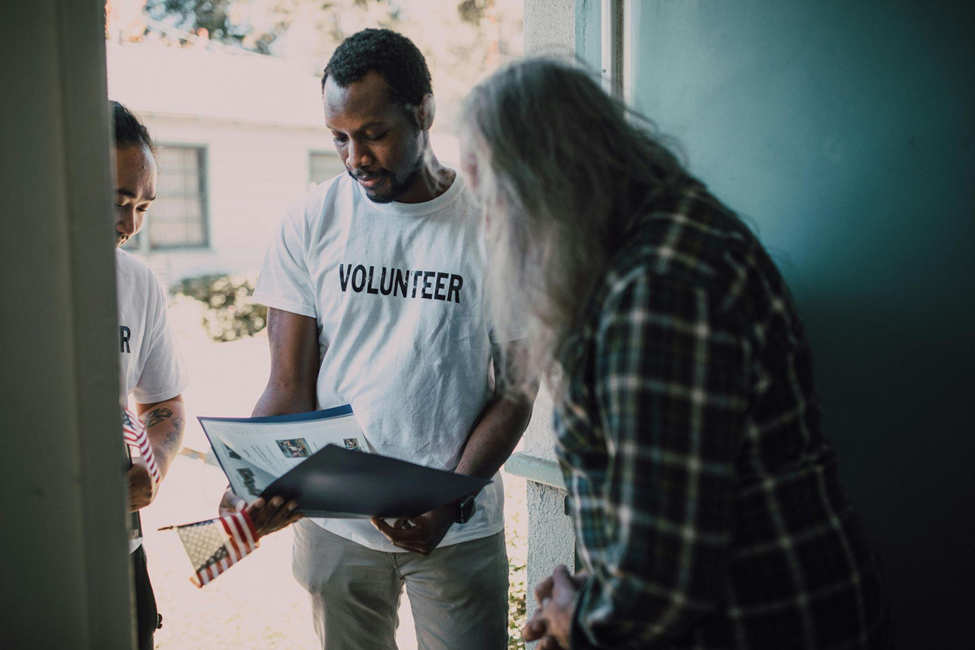
Most people picture social workers meeting with clients, helping families, or supporting people through hard moments. That is a big part of the work, but it is only one part. Social workers also help shape the policies that guide programs and services across entire communities. They bring an informed and grounded voice into rooms where decisions take place. Their work reaches far beyond one household or one case. It reaches systems that affect thousands of people.
Policy work can feel complex at first. But when you look closer, you can see that social workers already know what needs to change. They hear stories every day. They see what helps and what harms. They understand how systems work in real life. Because of this, they hold a unique place in policy change. This article explores how they take that lived insight into larger spaces and influence lasting change.
1. How Education Shapes Policy Skills for Social Workers
Social workers need strong training before they step into policy work. Education helps them understand human behavior, social systems, and the structure of community programs. It also helps them think about fairness and ethics. These skills guide them once they start engaging with policy issues.
Some students want deeper tools when they plan for roles that connect to law or public policy. Programs like the JD MSW dual degree give them both legal and social work training. This kind of program builds a strong foundation for policy leadership. Students learn how laws form and how lawmakers think. They also learn how those laws affect people on the ground. When they bring these skills together, they can speak with confidence in policy spaces.
2. How Social Workers Use Frontline Experience to Guide Policy Change
Frontline work gives social workers insight that few other professionals hold. They meet people who face child welfare challenges, housing problems, medical needs, and safety risks. They hear real stories. They see how policies function in actual conditions. They learn where systems fail and where they succeed.
This insight gives them a powerful voice in policy discussions. They speak from experience, not from guesswork. They can tell leaders which rules help people and which rules create barriers. They bring clear examples from daily work, which helps policymakers understand what needs to change. Their frontline perspective keeps policy conversations grounded and honest.
Social workers also see patterns across many cases. They can spot trends early. This helps them identify needs that may not appear in official reports. Their presence in frontline spaces makes them key partners in early problem identification.
3. The Role of Social Workers in Research and Data Gathering
Social workers collect information during assessments, reports, and client meetings. They also review studies and research in their field. This constant flow of information helps them understand how systems perform. When they organize and analyze this data, they find evidence for policy change.
Research supports their recommendations. Data helps them show lawmakers what actually happens in their communities. For example, they can show a rising need for mental health services or gaps in youth programs. They can highlight long wait times or limited access to resources. Numbers help decision makers understand problems more clearly.
4. Collaboration with Community Groups and Advocacy Networks
Social workers rarely work alone when they advocate for policy change. They build partnerships with community groups, nonprofits, schools, and local organizations. These groups share similar goals and want better services, safer communities, and stronger support systems. Social workers bring their experience and help unite these voices.
Collaboration creates a stronger message. When many groups speak together, policymakers pay attention. Social workers help gather stories and concerns from community members. They also help explain what changes could make life better for those groups. This creates a direct line between residents and leaders.
5. How Social Workers Communicate With Policymakers
Clear communication matters when social workers talk with lawmakers. Leaders need simple explanations. They need real examples that show how policies affect people. Social workers know how to tell those stories in a way that makes sense.
They meet with officials, attend hearings, and join policy forums. They bring data, reports, and case examples. They prepare talking points that explain what needs to change and why. Their goal is to make sure decision makers understand the real impact of their choices.
Social workers also build long-term relationships with policymakers. These connections create opportunities for ongoing dialogue.
6. Social Workers in Leadership Roles That Influence Systems
Many social workers step into leadership positions in agencies, nonprofits, and government offices. They become supervisors, directors, and policy advisors. These roles give them more influence over program design and policy development.
Leadership positions allow them to redesign outdated systems. They can guide staff, set new priorities, and shape the culture of the organizations they lead. Their background helps them balance client needs with policy demands. They can speak to both sides and create solutions that work in real life.
Leadership also helps social workers influence change at a higher level. They can represent their organizations in state or national discussions. They can help draft legislation or join task forces that explore major issues.
7. Real Areas Where Social Workers Shape Policy
Social workers shape policy in many fields. In child welfare, they help improve safety rules and support programs. In mental health, they guide expansions in treatment access and crisis services. In housing, they support policies that help people find stable homes. In public safety, they push for programs that focus on prevention and community support.
Their work touches many parts of society. They help revise outdated laws that no longer serve people. They push for programs that match current community needs. Their wide knowledge of human behavior and social systems helps them recommend changes that work in practice.
Social workers influence policy change on many levels. Their education, frontline experience, research skills, and relationships all play a part. They bring a strong and informed voice to conversations that shape laws and programs. Their work helps build systems that treat people with care and fairness. For readers who want to create change in their communities, social work offers a direct and meaningful path into policy work.
