

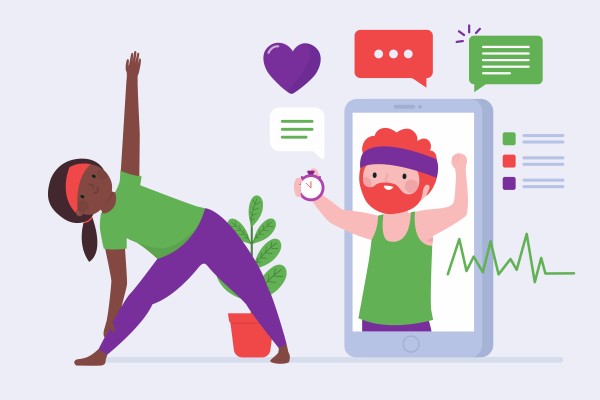
Staying healthy in the digital age requires a conscious balance between leveraging technology for wellness and protecting ourselves from its potential harms.
Let us understand all aspects
1. Physical Health
- Combat Sedentary Behavior: Set reminders to stand up and stretch every 30 minutes. Consider a standing desk or under-desk bike. Use fitness trackers to monitor steps and encourage movement.
- Eye Care (Digital Eye Strain): Follow the 20-20-20 rule (every 20 minutes, look at something 20 feet away for 20 seconds). Use blue light filter glasses or screen filters, especially in the evening.
- Ergonomics: Ensure your workstation supports good posture—screen at eye level, feet flat on the floor, wrists straight.
- Sleep Hygiene: Avoid screens 1–2 hours before bed. Use night mode settings and keep devices out of the bedroom to protect sleep quality.
2. Mental & Emotional Health
- Digital Detox & Boundaries: Schedule regular tech-free times (e.g., during meals, first hour of the day). Turn off non-essential notifications to reduce anxiety.
- Mindful Consumption: Curate your digital diet. Unfollow accounts that cause stress or comparison. Use apps intentionally rather than mindlessly scrolling.
- Use Tech for Good: Leverage meditation apps (e.g., Headspace, Calm), journaling apps, or online therapy platforms to support mental well-being.
- Focus & Deep Work: Use tools like website blockers (e.g., Freedom, StayFocusd) to minimize distractions and improve concentration.
3. Social Health
- Quality Over Quantity: Prioritize meaningful digital interactions over passive scrolling. Use video calls to maintain real connections with loved ones.
- Combat Loneliness: Join online communities around hobbies or interests, but ensure they’re positive and inclusive.
- Be Present: When with others, practice “phubbing” prevention—put devices away to give full attention.
4. Nutrition & Lifestyle
- Avoid “Digital Dining”: Don’t eat while watching screens—it leads to overeating. Practice mindful eating.
- Use Apps for Wellness: Track nutrition with apps like MyFitnessPal, or use smart devices to monitor hydration, sleep, and activity.
5. Information & Cognitive Health
- Critical Thinking: Verify information before sharing. Limit exposure to “doomscrolling” and negative news cycles.
- Continuous Learning: Use digital tools for brain stimulation (language apps, online courses, puzzles), but balance with offline reading and reflection.
- Avoid Multitasking: It reduces efficiency and increases stress. Focus on one task at a time.
6. Long-term Digital Literacy
- Teach Healthy Habits Early: Educate children (and yourself) about digital citizenship, screen time limits, and online safety.
- Regular Check-ins: Periodically assess how your digital habits affect your mood and productivity. Adjust as needed.
Key Mindset Shift:
View technology as a tool to serve you, not a master to obey. Intentionality is everything—use it to enhance life, not escape from it.
Final Thought: Health in the digital age isn’t about rejecting technology, but about designing a hybrid lifestyle where the virtual and physical worlds coexist in a way that nourishes your body, mind, and relationships. Start small—pick one or two tips to integrate this week, and build from there.
By Jamuna Rangachari
