

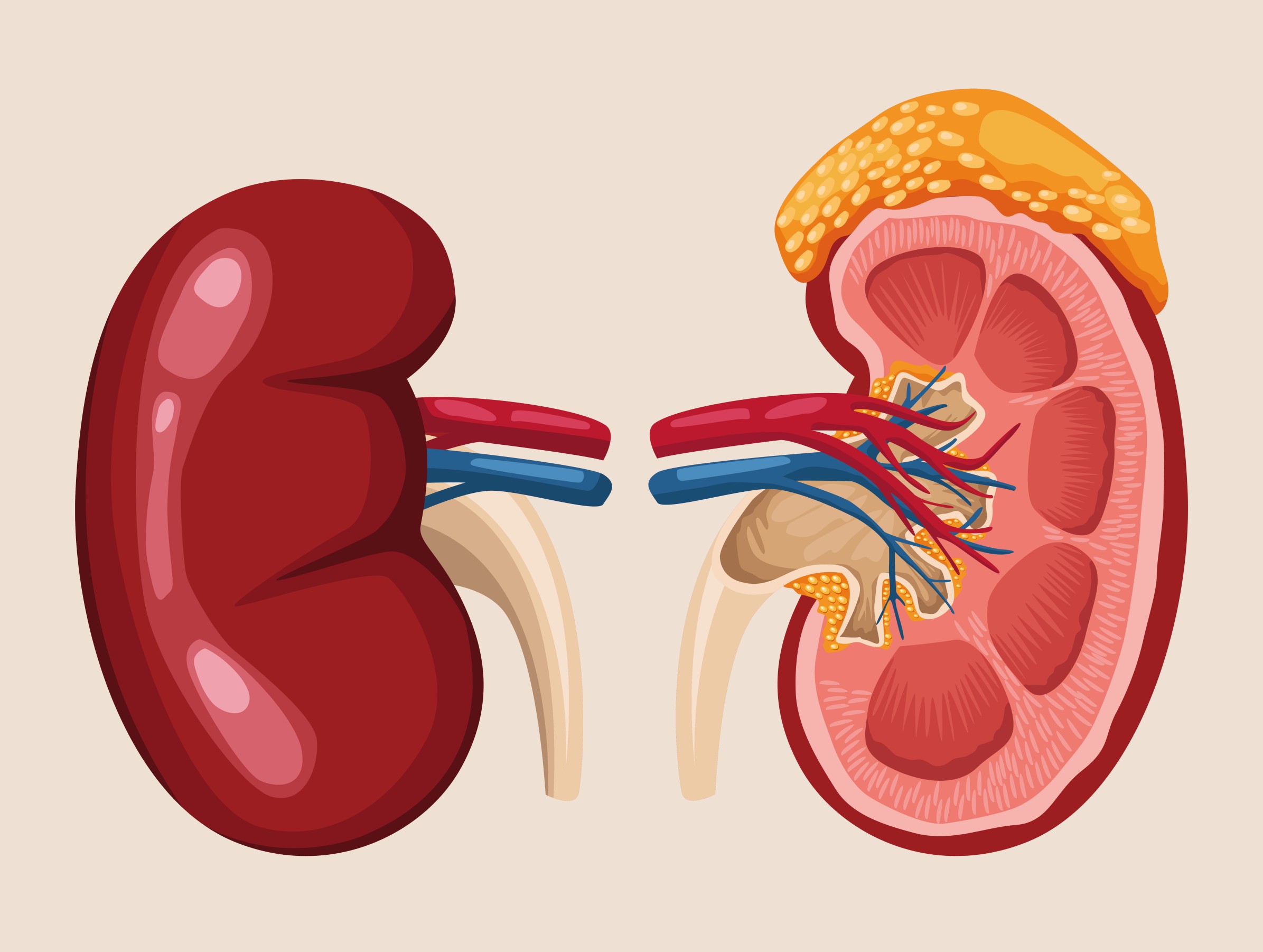
A compehensive guide on how to take care of your kidneys, broken down into actionable steps.
1. Hydration is Key (But Don’t Overdo It)
Drink Plenty of Water: Water helps your kidneys remove waste from your blood in the form of urine. It also helps keep your blood vessels open so blood can flow freely to your kidneys.How much is enough?
A common recommendation is about 6-8 glasses (1.5-2 liters) per day, but this can vary based on your climate, activity level, and health. Your urine color is a good indicator—aim for a pale straw or light yellow color. Dark yellow urine often means you need more water.
Note: If you have advanced kidney disease, your doctor may restrict your fluid intake. Always follow your doctor’s advice.
2. Eat a Kidney-Healthy Diet
What you eat directly impacts your kidneys’ workload.
Limit Sodium (Salt): High sodium intake raises blood pressure, which damages the delicate blood vessels in the kidneys.
Action: Cook with less salt, avoid processed foods (canned soups, frozen dinners, chips), and use herbs and spices for flavor instead.
Eat a Balanced Diet: Focus on whole foods.
Action: Include plenty of fresh fruits, vegetables, and whole grains. Choose lean proteins like fish, chicken, and plant-based proteins (beans, lentils, tofu).
Monitor Protein Intake: While protein is essential, very high-protein diets can make your kidneys work harder. For most people with healthy kidneys, a normal amount of protein is fine. If you have kidney disease, your doctor will likely recommend a low-protein diet.
Limit Processed Sugars and Fructose: High sugar intake is linked to obesity and diabetes, the leading causes of kidney disease.
3. Manage Blood Pressure and Blood Sugar
This is the most important step for preventing kidney damage.
High Blood Pressure (Hypertension): This is a leading cause of kidney disease. It slowly damages the tiny blood vessels in the kidneys, impairing their function.
Action: Get your blood pressure checked regularly. If it’s high, work with your doctor to manage it through diet, exercise, and medication if necessary.
Diabetes: High blood sugar levels can damage the kidneys’ filtering units (nephrons) over time. This is called diabetic nephropathy.
Action: If you have diabetes, carefully monitor your blood sugar levels and keep them within your target range.
4. Maintain a Healthy Weight
Being overweight or obese forces your kidneys to work harder to filter waste and increases your risk of high blood pressure and diabetes.
Action: Combine a healthy diet with regular physical activity. Even a small amount of weight loss can make a significant difference.
5. Exercise Regularly
Regular exercise helps control blood pressure and blood sugar levels and maintains a healthy weight.
Action: Aim for at least 30 minutes of moderate-intensity exercise (like brisk walking, cycling, or swimming) on most days of the week.
6. Avoid Harmful Substances
Don’t Smoke: Smoking damages blood vessels, decreasing blood flow to the kidneys. It also increases the risk of kidney cancer.
Limit Alcohol: Excessive alcohol consumption can raise blood pressure and add extra calories, leading to weight gain.
Use Over-the-Counter (OTC) Painkillers Cautiously:
NSAIDs (Non-Steroidal Anti-Inflammatory Drugs) like ibuprofen (Advil, Motrin) and naproxen (Aleve) can cause kidney damage, especially if taken regularly or in high doses.
Action: If you need a painkiller, acetaminophen (Tylenol) is generally safer for the kidneys, but should still be used as directed. If you have kidney issues, always talk to your doctor before taking any OTC medication.
7. Get Regular Check-Ups
If you have risk factors like high blood pressure, diabetes, a family history of kidney disease, or are over 60, regular screening is essential.
Action: Ask your doctor for two simple tests:
A Urine Test (ACR): Checks for protein (albumin) in the urine, an early sign of kidney damage.
A Blood Test (eGFR): Estimates how well your kidneys are filtering waste (your glomerular filtration rate).
Warning Signs to Watch For (See a Doctor if You Notice These)
Fatigue, lack of energy, trouble concentrating
Swelling in your hands, feet, or around your eyes
Puffiness around your eyes, especially in the morning
Changes in urination (frequency, color, foaminess, or waking up at night to urinate)
High blood pressure
Summary: The “Dos and Don’ts” at a Glance
Do This ✅
Drink enough water )
Eat a balanced, low-salt diet
Control blood pressure & sugar
Maintain a healthy weight
Exercise regularly f
Get regular check-ups if at risk
Dont do this
Don’t Do This âŒ
Overuse NSAID painkillers (ibuprofen, naproxen)
Smoke cigarettes
Consume excessive processed foods & sugars
Ignore persistent symptoms
Dehydrate yourself
Drink alcohol in excess
Disclaimer: This information is for educational purposes. If you have any specific health concerns or conditions, please consult with a healthcare professional for personalized advice
By Jamuna Rangachari
