

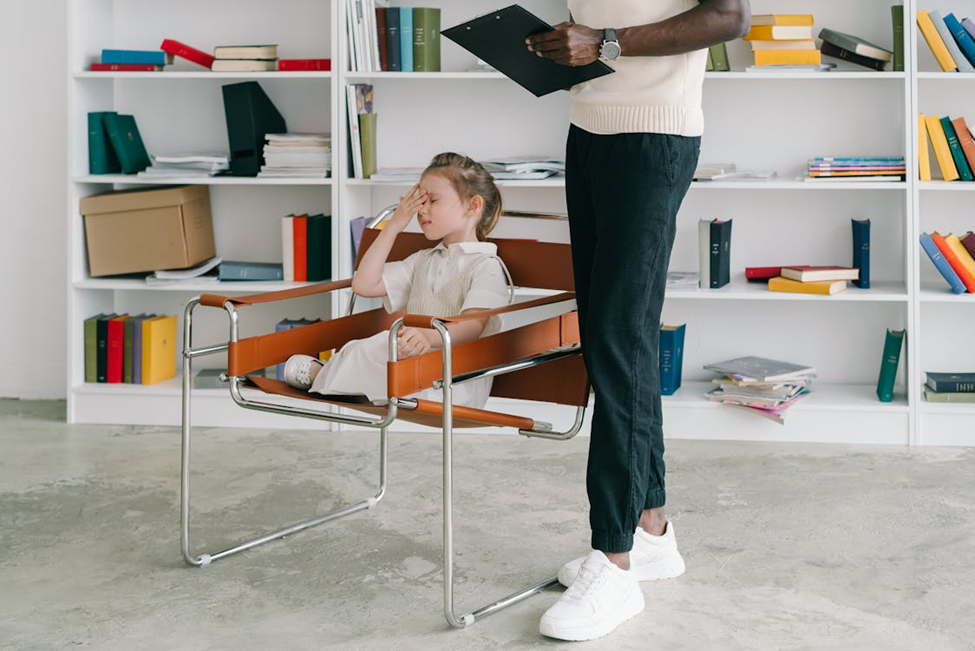
Children learn best when their minds are calm and their emotions are understood. Academic success grows stronger when mental well-being is part of the learning process. School psychologists play a vital role in helping students reach this balance. They work to ensure that classrooms are not just places of instruction but also spaces of emotional safety and confidence.
Education today involves more than memorizing facts or completing assignments. Many children face personal or social struggles that affect how they learn and behave. School psychologists understand these challenges and help students develop coping strategies that support learning and growth. Let’s elaborate on how these professionals bring healing into the process of learning and why their work is essential for every child’s development.
1. Understanding the Role of School Psychologists
School psychologists are specialists who focus on the intersection of education and mental health. They work in schools, clinics, and community programs, helping students overcome emotional, behavioral, and learning barriers. Their day often includes assessing students’ needs, conducting psychological evaluations, and designing intervention plans that promote success both inside and outside the classroom.
They collaborate with teachers, parents, and administrators to build supportive learning environments. Their expertise allows them to recognize early signs of stress, anxiety, or learning difficulties before these become larger issues.
2. Pathways to Becoming a School Psychologist
Becoming a school psychologist requires dedication and specialized education. Most professionals begin with an undergraduate degree in psychology or education before pursuing advanced study in school psychology. Graduate programs combine coursework with supervised field experience to build both theoretical knowledge and practical skills.
Among the many training options available, school psychology programs online accredited by NASP in particular stand out for their quality and real-world relevance. The National Association of School Psychologists (NASP) sets high standards for ethical practice, research, and student welfare. Accredited programs ensure that future psychologists receive well-rounded preparation in assessment, intervention, and collaboration.
3. Creating Safe and Supportive Learning Environments
A healthy school environment is one where students feel secure, respected, and valued. School psychologists help create that atmosphere by working closely with teachers and administrators to establish positive behavior practices and inclusive policies. They encourage approaches that reduce bullying, manage conflict, and promote respect among peers.
Their goal is to help every child feel safe enough to express thoughts and emotions without fear of judgment. This sense of belonging directly influences motivation and academic engagement. When children believe their environment supports them, they are more likely to take part in learning and build stronger relationships with teachers and classmates.
4. Identifying and Addressing Learning Difficulties
Every child learns differently. Some students face challenges such as dyslexia, attention difficulties, or developmental delays that can make traditional learning harder. School psychologists use testing and observation to understand each student’s strengths and struggles. They design support plans that help students overcome barriers through tailored strategies and accommodations.
Early identification often makes a major difference in long-term success. Collaboration with teachers ensures that instruction matches the student’s needs, creating opportunities for progress at an appropriate pace.
5. Supporting Mental Health and Emotional Well-Being
Emotional health influences how children think, learn, and interact. School psychologists offer counseling, crisis support, and skill-building sessions to help students manage emotions and reduce stress. They may guide children through grief, anxiety, or social difficulties that disrupt their focus on schoolwork.
When students understand how to handle emotions, they become more resilient. School psychologists help them recognize triggers, develop self-regulation techniques, and build stronger emotional awareness. These lessons often extend beyond the classroom, shaping healthier relationships at home and in the community.
6. Collaboration with Teachers and Parents
Students thrive when everyone around them works as a team. School psychologists play a central role in building that partnership between home and school. They share insights from assessments, recommend strategies, and help teachers understand how emotional or cognitive challenges affect learning.
Teachers often rely on school psychologists for guidance on behavior management or classroom adjustments. Psychologists, in turn, learn from teachers’ daily observations about how students respond to different teaching styles. This ongoing exchange creates a supportive circle that strengthens each child’s learning experience.
7. The Role of Data and Research in School Psychology
Information drives progress in education. School psychologists use data and research to design programs that meet students’ needs effectively. They collect information through assessments, surveys, and behavioral observations to track academic and emotional growth. This evidence allows them to identify patterns, measure improvement, and refine interventions.
Research gives psychologists insight into the most effective approaches for different challenges. For instance, data on student stress levels might lead to mindfulness sessions, while academic tracking can help shape reading interventions. Every recommendation is backed by evidence that shows what works best for specific student populations.
8. Embracing Diversity and Inclusion in Schools
Every child brings a unique story to the classroom. School psychologists help schools recognize and celebrate that diversity. They ensure that language, culture, and background are respected in every learning plan. Understanding cultural differences allows them to create interventions that make sense for each student’s context rather than using one-size-fits-all solutions.
They advocate for students who might feel unseen or misunderstood because of their identity or background. This advocacy extends to training teachers on cultural awareness and equity in discipline and evaluation. Through these efforts, psychologists help schools become places where every student feels valued and accepted.
School psychologists embody the balance between empathy and expertise. Their work touches every part of a student’s journey, from academic challenges to emotional struggles. Through assessments, counseling, collaboration, and advocacy, they ensure that children receive the care and support required to reach their full potential.
Education becomes more meaningful when it includes emotional growth. Healing through learning is not a slogan; it is a process that begins when schools recognize the link between mental health and academic success. School psychologists help build that connection every day through their patience, insight, and dedication. Their impact continues long after students leave the classroom. The resilience, confidence, and self-awareness that children gain through their guidance shape who they become as adults.
