

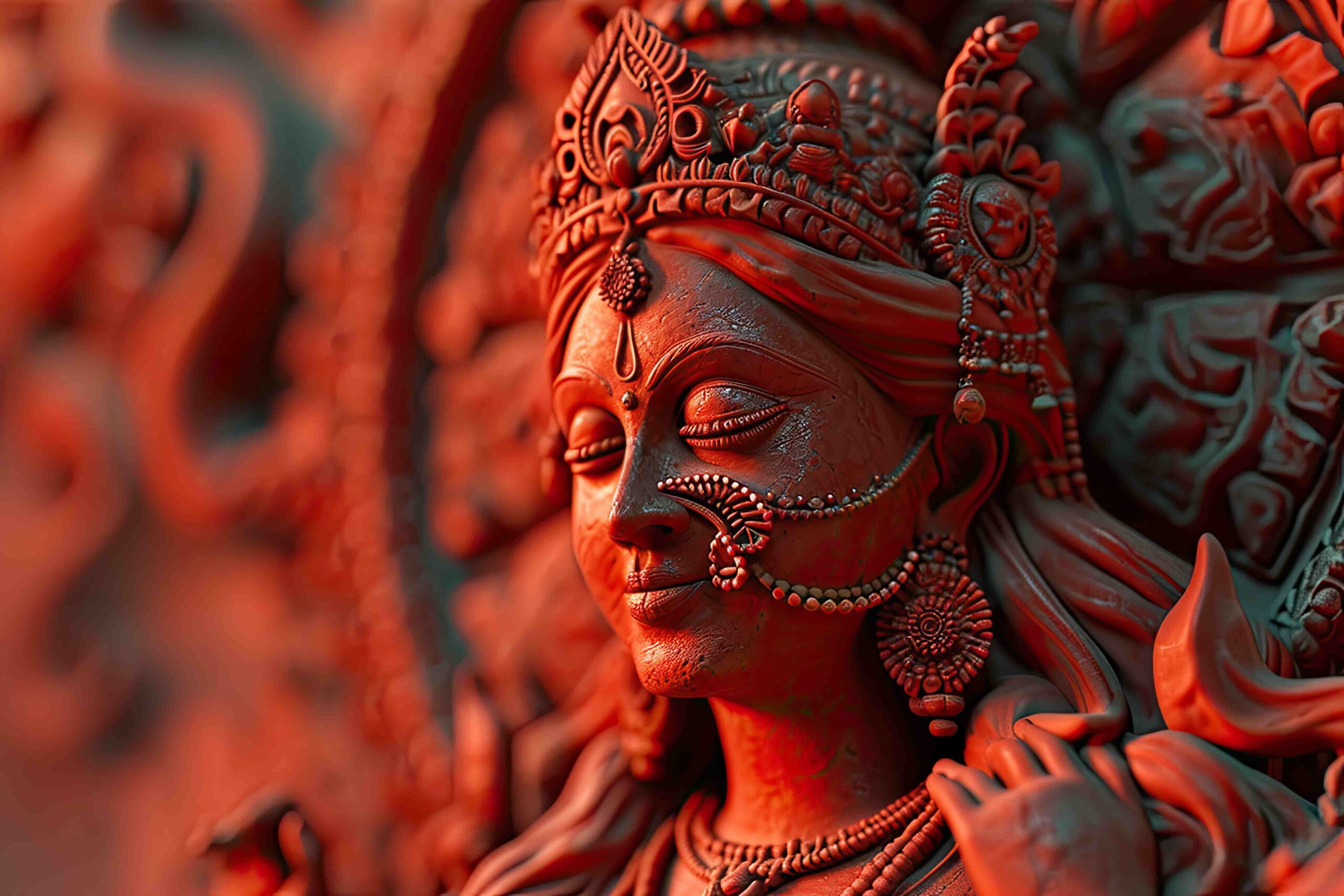
In Hinduism, the worship of Devis (goddesses) is deeply rooted in ancient scriptures, cultural traditions, and spiritual philosophy. All Hindus learn this from the beginning of their lives. In fact, it is common to see all women being addressed as Devi in many parts of India. In fact, it is also believed by many that the anger of a single woman or a group of women has such serious karmic consequences that the land may never be able to prosper. This fact is also shown in the mythological epics and stories in Hinduism where no clan survives if they have harmed a devi or a woman. This is perhaps why even the kings fof India and the democratic governments that came after independence gave a special focus on women and women empowerment maintaining that a devi or a woman has far more influence than a man. This is unfortunately not used in the right manner by many but then, this is bound to disappear in a land that has never taken a significant part of society lightly. This tradition of Hindus has also become a part of Indianness to a large extent.
Here are some key reasons why Indians revere goddesses:
1. Shakti – the Feminine Energy
- Hinduism perceives the universe as sustained by Shakti (divine feminine power), which is the dynamic force behind creation, preservation, and destruction.
- Other Goddesses lrepresent different aspects of this cosmic energy.
- The Devi Mahatmya (a sacred text in the Markandeya Purana) glorifies the Goddess as the supreme power who defeats evil forces.
2. Symbolism of Goddesses in Daily Life
- Lakshmi – Goddess of wealth and prosperity.
- Saraswati – Goddess of knowledge and arts.
- Durga/Kali – Protector and destroyer of evil.
- Gowri or Parvati– Symbolizes love and marital harmony.
- Each Devi represents essential aspects of life, making their worship integral to spiritual and material well-being.
3. Tantric and Folk Traditions
- In Tantra, the Goddess is seen as the ultimate reality (Adi Shakti), and her worship is central to spiritual awakening.
- Many regional traditions (e.g., Meenakshi in Tamil Nadu, Kamakhya in Assam, Vaishno Devi in Jammu) highlight local forms of the Goddess, blending Vedic and folk beliefs.
4. Mythological Significance
- Stories like Durga slaying Mahishasura and Kali defeating demons symbolize the triumph of gy ood over evil.
- The Navaratri festival celebrates the Goddess in her various forms over nine nights.
5. Feminine Divinity in Indian Culture
- Unlike some ancient traditions that marginalized feminine divinity, Hinduism has always revered the Goddess as equal (and sometimes superior) to male gods.
- Ardhanarishvara a deity that shows Shiva-Shakti as one shows the balance of masculine and feminine energies.
6. Personal and Emotional Connection
- Many devotees see the Goddess as a mother figure (Maa), offering unconditional love and protection.
- Women, especially, find empowerment in Devi worship, as goddesses symbolize strength, wisdom, and independence.
To summarize, the concept of Devis is a profound recognition of the feminine principle as the source of all power, wisdom, and sustenance in the universe.
By Jamuna Rangachari
