

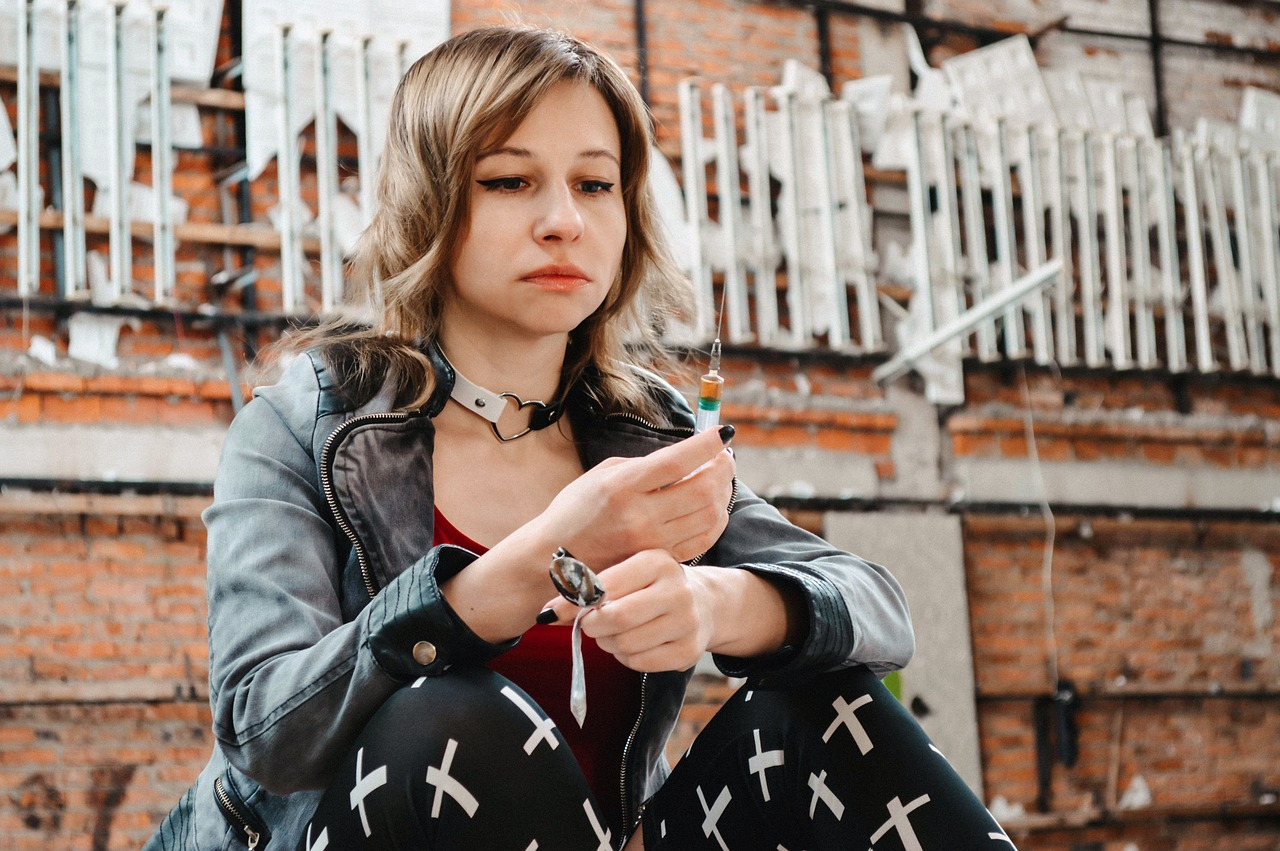
Drug addiction is a serious problem that affects many people. It can harm your health, relationships, and life. But there’s hope. Drug rehab can help people overcome addiction and build a better life. This article will explain what drug rehab is, how it works, and why it’s important.
What is Drug Rehab?
Drug rehab, short for rehabilitation, is a way to help people stop using drugs and learn to live without them. It’s like going to school to learn how to be healthy and happy without drugs. Rehab can help with different kinds of drug problems, including alcohol addiction. In fact, many people find help at an alcohol rehab center when they’re struggling with drinking too much.
Why Do People Need Drug Rehab?
People might need drug rehab for many reasons:
- Health problems: Drugs can make you very sick. They can hurt your brain, heart, and other parts of your body.
- Can’t stop on their own: Many people try to quit drugs by themselves but find it too hard. Rehab gives them the help they need.
- Legal issues: Sometimes, people get in trouble with the law because of drugs. Rehab can be a way to get help instead of punishment.
- Family and work problems: Drug use can cause fights with family or problems at work. Rehab can help fix these issues.
- Mental health: Many people who use drugs also have mental health problems like depression. Rehab can help with both.
How Does Drug Rehab Work?
Drug rehab usually has several steps:
Detox
The first step is often detox. This is when the person stops using drugs. It can be hard and sometimes uncomfortable. That’s why it’s safer to do this with medical help. Doctors and nurses can make sure the person is safe and as comfortable as possible.
Therapy
After detox, people start therapy. This means talking with counselors about why they used drugs and learning new ways to cope with life without drugs. There are different kinds of therapy:
- Individual therapy: This is when a person talks one-on-one with a counselor.
- Group therapy: People in rehab meet together to share their experiences and support each other.
- Family therapy: Sometimes family members join in to learn how to help their loved one.
Education
Rehab isn’t just about stopping drug use. It’s also about learning. People in rehab learn about the following:
- How drugs affect the body and brain
- Why addiction happens
- How to avoid using drugs again
- Healthy ways to deal with stress and problems
Skill Building
Many rehabs teach important life skills. These might include:
- How to manage money
- How to find a job
- How to eat healthy and exercise
- How to make friends without drugs
Aftercare Planning
Before leaving rehab, people make a plan to stay drug-free. This might include:
- Regular check-ins with a counselor
- Going to support group meetings
- Living in a sober house for a while
- Having a sponsor (someone who’s been through rehab and can offer support)
Types of Drug Rehab Programs
There are different kinds of rehab programs to fit different needs:
Inpatient Rehab
In inpatient rehab, people live at the rehab center. This can be good for people with serious drug problems or those who need to be away from their usual environment. Inpatient rehab usually lasts 30 to 90 days but can be longer if needed.
Outpatient Rehab
Outpatient rehab lets people live at home and go to treatment during the day. This can be good for people with less severe addictions or those who can’t leave work or family responsibilities.
Residential Rehab
This is like inpatient rehab but in a more home-like setting. People live together and support each other while getting treatment.
Partial Hospitalization
This is a mix of inpatient and outpatient care. People spend most of the day at the rehab center but go home at night.
What Happens in a Typical Day at Rehab?
A day in rehab usually has a set schedule. This routine helps people feel safe and focused on recovery. Here’s what a day might look like:
- Morning: Wake up, eat breakfast, maybe do some exercise or meditation
- Late morning: Group therapy or classes about addiction
- Afternoon: Lunch, then individual therapy or more group sessions
- Evening: Dinner, support group meetings, free time to read or journal
- Night: Bedtime at a set hour to encourage healthy sleep habits
How Long Does Drug Rehab Last?
The length of rehab can vary. Some common timeframes are:
- 30 days
- 60 days
- 90 days
- 6 months or more
Longer stays can be helpful for people with severe addictions or those who have tried rehab before and relapsed.
What Happens After Rehab?
Recovery doesn’t end when rehab is over. It’s a lifelong process. After rehab, people often:
- Keep seeing a therapist
- Go to support group meetings
- Take medications if needed
- Work on rebuilding relationships and careers
- Focus on staying healthy through diet and exercise
How Successful is Drug Rehab?
Success in rehab depends on many things. Some people get better after one try. Others might need to go to rehab more than once. It’s important to remember that relapse (using drugs again) is common and doesn’t mean failure. It’s just a sign that more or different treatment is needed.
Things that can help make rehab successful include:
- Staying in treatment long enough
- Having support from family and friends
- Treating any mental health problems along with addiction
- Being willing to make big changes in life
- Following the aftercare plan
How to Choose a Drug Rehab Program
Choosing a rehab program is an important decision. Here are some things to think about:
- Type of addiction: Make sure the program treats your specific drug problem.
- Location: Some people prefer to be close to home, while others want to be far away from old triggers.
- Cost: Check what your insurance covers and what you can afford.
- Treatment methods: Look for programs that use proven methods backed by research.
- Staff qualifications: Make sure the staff are trained and experienced in addiction treatment.
- Success rates: Ask about how many people complete the program and stay drug-free afterward.
- Aftercare Support: Good programs should help you plan for life after rehab.
Conclusion
Drug rehab can be a life-changing experience for people struggling with addiction. It offers a chance to break free from drugs, learn new ways of coping, and build a healthier life. While it’s not always easy, with the right help and commitment, recovery is possible.
Every journey to recovery is unique. What works for one person might not work for another. But with persistence, support, and the right treatment, many people find their way to a drug-free life. The path may be challenging, but the reward – a healthier, happier life – is worth the effort.
