

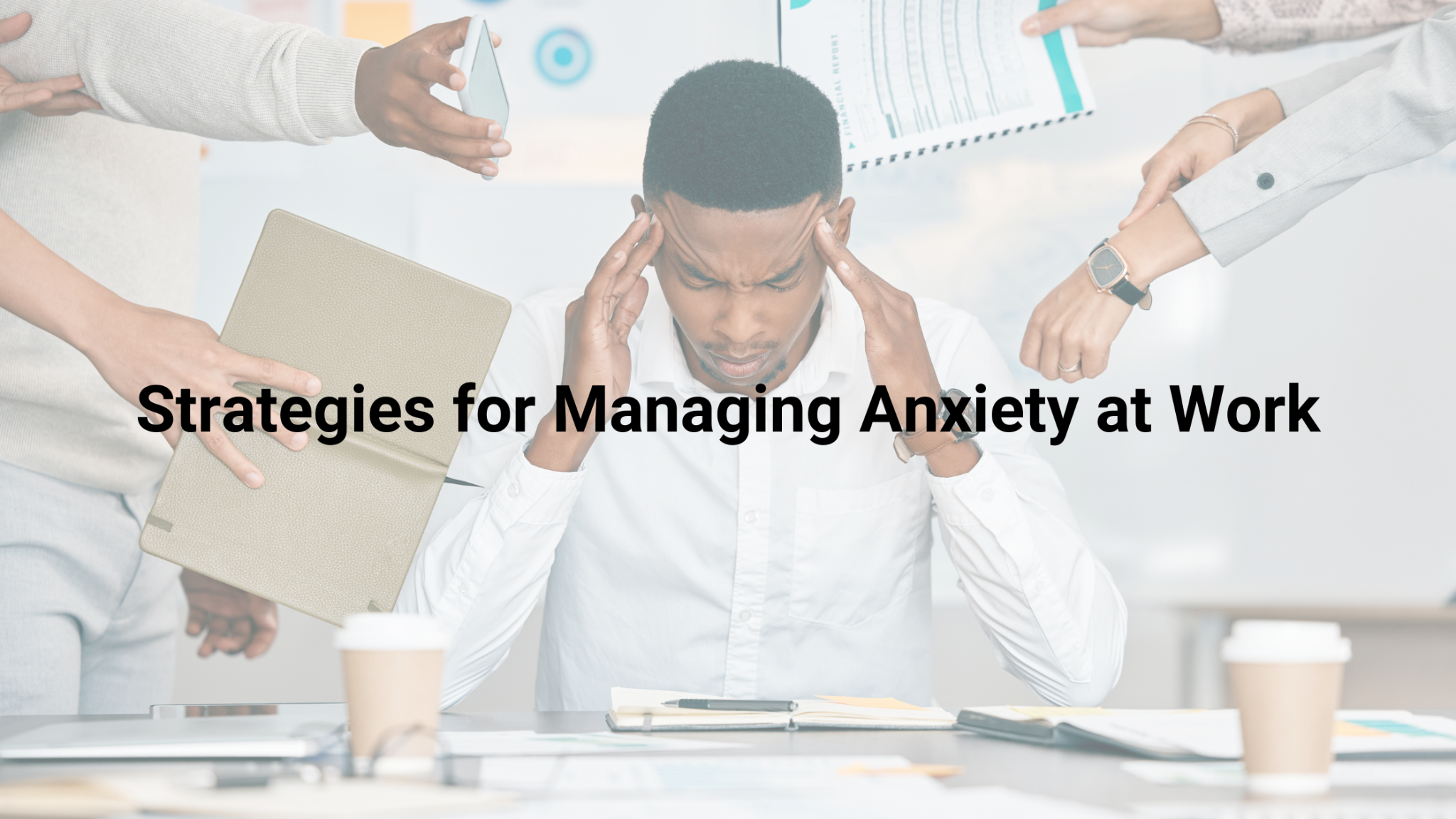
Feeling anxious at work? You’re not alone. The pressure to excel, meet deadlines, and handle interpersonal situations can affect even the most resilient individuals. But don’t worry, practical strategies exist to regain control and cultivate a calmer, more productive work environment.
This guide will dive into recognizing the signs of workplace anxiety, equipping you with on-the-spot techniques for immediate relief. From structuring your workday to minimizing stress to fostering a supportive office culture, this article covers it all.
Whether you are seeking professional help or exploring long-term solutions, this article offers a holistic approach to managing anxiety, enabling you to prioritize your mental well-being and excel in your professional journey.
Recognizing the Signs of Workplace Anxiety
The first step in managing anxiety is being able to recognize its presence. Common symptoms include persistent worrying or feelings of dread, physical manifestations like headaches, muscle tension, an upset stomach, difficulty concentrating or making decisions, and irritability or restlessness.
It’s crucial to be self-aware and identify your personal anxiety signals before they escalate. Pay attention to changes in your thought patterns, emotions, and physical sensations that may indicate rising anxiety levels. According to a 2023 study by Mental Health America, a staggering 83% of workers feel emotionally drained from their work, and 71% strongly agreed that workplace stress affects their mental health.

Practical Techniques to Reduce Anxiety on the Spot
When anxiety strikes, having a toolkit of effective techniques can provide immediate relief and help you regain your composure. These simple yet powerful strategies can be employed discreetly at your desk or during breaks to manage symptoms at the moment.
From conscious breathing exercises to mindfulness tactics, physical movement, and sensory techniques, numerous ways exist to calm your mind and body. Additionally, for those managing anxiety related to addiction issues, exploring addiction resources can be instrumental.
These resources offer support and guidance on coping mechanisms that address both anxiety and addiction, providing a dual approach to mental health care. Let’s explore some specific methods to reduce anxiety:
Breathing Exercises
Consciously controlling your breathing can instantly calm the body and mind. Inhale deeply through your nose, allowing your belly to expand. Exhale slowly through pursed lips. Repeat this deep breathing for several cycles to activate the relaxation response.
Mindfulness Tactics
Grounding exercises help anchor you in the present moment. Try the 5-4-3-2-1 method: Notice 5 things you see, 4 things you feel, 3 things you hear, 2 things you smell, and 1 thing you taste. This mindful observation provides a distraction.
Physical Movement
A quick walk around the office or simple stretches at your desk can release muscle tension. Movement boosts endorphins and gets you out of your head, providing a mental reset. Even light physical activity can offer relief.
Sensory Techniques
Engage your senses to combat anxiety. Sip a warm beverage, smell an essential oil, or listen to calming nature sounds. Sensory input provides a welcome distraction from anxious thoughts by focusing your attention on the present experience.
Structuring Your Workday to Minimize Stress
Proactively organizing your workday can help prevent anxiety from taking hold. Start by creating a to-do list and prioritizing tasks based on importance and urgency. Tackle high-priority items first, minimizing feelings of overwhelm.
Build in short, regular breaks throughout the day to recharge and refocus. Stepping away from your desk, even for a few minutes, can help you reset and approach your work with a fresh perspective.
Utilize time management tools, such as task managers, website blockers, and focus timers, to help you stay on track and minimize distractions. By structuring your day effectively, you can maintain control and reduce stress levels.
Fostering a Supportive Work Environment
A positive workplace culture that prioritizes mental well-being can significantly impact an individual’s ability to manage anxiety effectively. Encourage open communication about mental health within your organization, creating an environment where discussing these issues is accepted and supported without judgment or stigma.
Provide training opportunities for employees to learn about stress management techniques, emotional intelligence, and work-life balance. Additionally, consider offering counseling services, meditation apps, or wellness programs as part of the company’s benefits package.
When employees feel supported and have access to resources, they are more likely to seek help and address their mental health concerns proactively. Employees are more likely to seek help and speak up if they feel their workplace is a safe, respectful, and non-judgmental environment.
| Strategy | Description |
| Open Communication | Encourage open and non-judgmental discussions about mental health within your organization to create a safe environment for addressing anxiety concerns. |
| Training Opportunities | Provide training on stress management techniques, emotional intelligence, and work-life balance to equip employees with tools to manage anxiety. |
| Wellness Programs | Offer counseling services, meditation apps, or wellness programs as part of the company’s benefits package to support employee mental health. |
| Leadership Support | Ensure leadership actively promotes a culture of understanding and prioritizes mental well-being, setting the tone for a supportive work environment. |
| Employee Resource Groups | Establish employee resource groups or support networks where individuals can connect with others who share similar experiences with anxiety. |
Professional Help and Resources
For persistent or severe anxiety, seeking professional support can be invaluable. Counseling or therapy with a mental health professional provides personalized strategies and coping techniques tailored to your individual needs and circumstances.
A therapist can help you identify the root causes of your anxiety and develop effective ways to manage it. Additionally, support groups can be incredibly beneficial, as they allow you to connect with others who share similar experiences, fostering a sense of community and validation.
Online resources, such as those provided by organizations like the Anxiety & Depression Association of America (ADAA) and the National Alliance on Mental Illness (NAMI), offer educational materials, webinars, and support networks to help you better understand and manage your anxiety.
Long-Term Strategies for Managing Anxiety
While short-term techniques can provide immediate relief, cultivating long-term strategies is essential for effectively managing workplace anxiety over time. Building sustainable habits and making lifestyle changes can have a profound impact on your overall well-being and ability to cope with stress. Explore these powerful approaches:
Cognitive-Behavioral Therapy (CBT)
This evidence-based psychotherapy helps identify and reframe negative thought patterns. CBT equips you with tools to challenge unhelpful beliefs and behaviors, fostering a more positive mindset and coping mechanisms for managing anxiety.
Mindfulness and Meditation
Regular mindfulness and meditation practices can enhance emotional regulation and build resilience to stress. By training your mind to remain present and aware, you can better navigate anxious thoughts and emotions.
Lifestyle Adjustments
Prioritizing physical activity, ensuring adequate sleep, and maintaining a balanced diet can optimize overall health and well-being. Making these lifestyle changes can significantly improve your ability to manage anxiety in the long run.
Stress Management Techniques
Learning and implementing effective stress management techniques, such as time management strategies, relaxation exercises, and boundary-setting, can help you maintain a healthy work-life balance and prevent anxiety from escalating.
Frequently Asked Questions
- What are some quick techniques to manage sudden anxiety attacks at work?
Try box breathing (inhale for 4 seconds, hold for 4, exhale for 4, hold for 4) or progressive muscle relaxation, where you tense and release muscle groups.
- How can I talk to my manager about my anxiety without feeling judged?
Approach it professionally, focusing on how anxiety impacts your work and suggesting potential accommodations. Frame it as a collaborative effort for a positive solution.
- Are there legal protections for employees suffering from anxiety?
The Americans with Disabilities Act (ADA) protects qualified individuals with mental health conditions, including anxiety disorders, from discrimination and entitles them to reasonable accommodations.
Conclusion
Overcoming workplace anxiety is an ongoing process. With the right tools and mindset, you can achieve a calmer, more focused, and more fulfilling work experience. By implementing practical techniques, structuring your day, seeking professional support when needed, and cultivating a supportive environment, you’ll develop a healthier relationship with stress. Remember, prioritizing your mental well-being is essential for sustained productivity and overall life satisfaction.
