

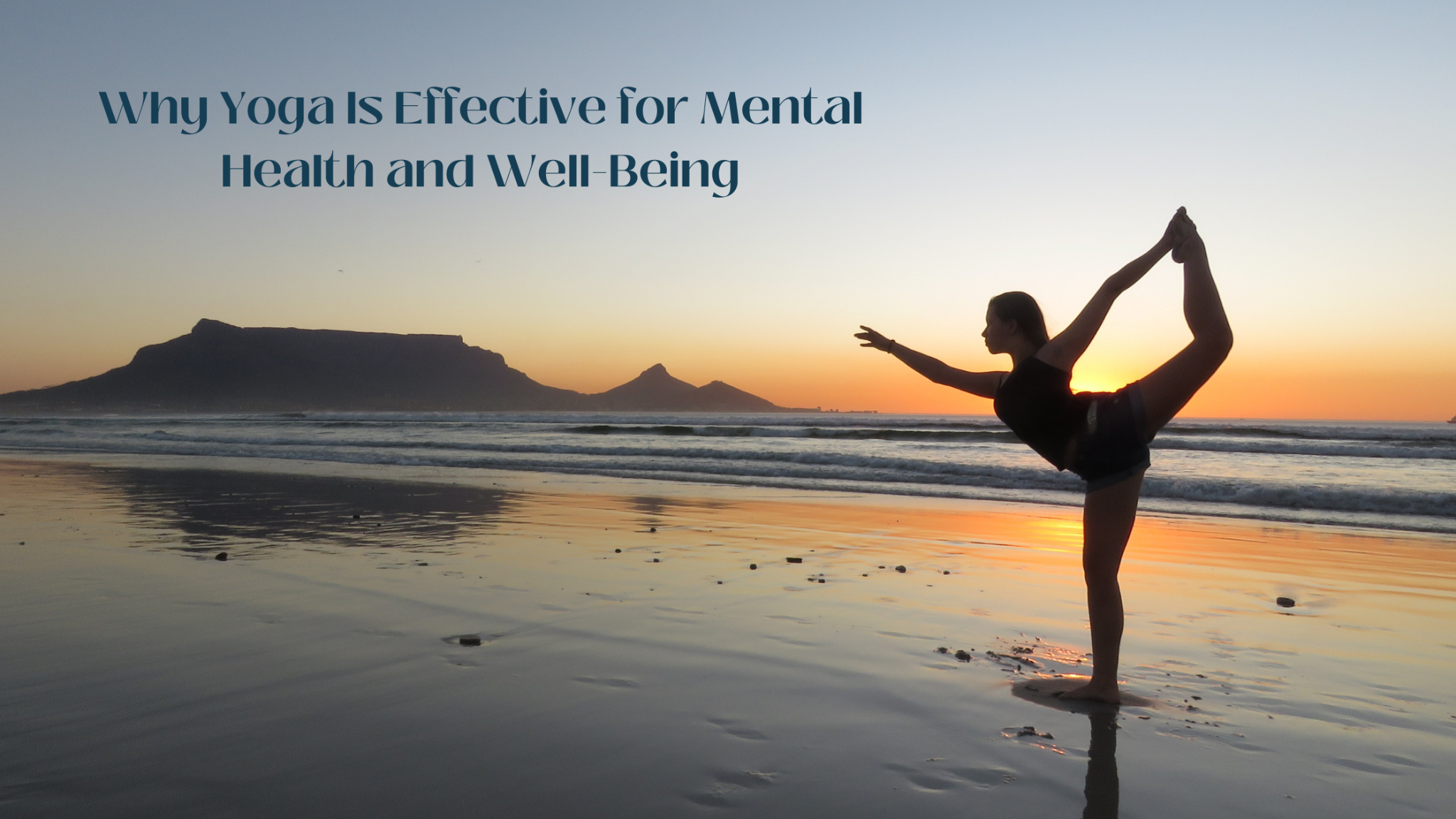
A serene yoga practice enhances overall mental well-being.
Amidst the constant hustle and bustle of modern life, finding solace and balance for our mental health has become increasingly crucial. While conventional treatments have their place, there’s a growing recognition of the holistic benefits that ancient practices, like yoga, can offer. Yoga, with its harmonious blend of physical postures, breathing exercises, and meditation, has emerged as a powerful ally for enhancing mental well-being.
This article delves into how yoga positively impacts our neurological functioning, physical health, and overall psychological state, taking insights from studies and expert opinions. Taking insights from studies and expert opinions, we’ll explore how this age-old practice can complement traditional therapies and serve as a catalyst for mental wellness.
1. Neurological Enhancements Through Yoga
Cognitive Benefits
Regular yoga practice has been shown to increase gray matter density in key brain regions associated with cognitive functions, such as the hippocampus and prefrontal cortex. This neuroplasticity leads to enhanced memory, attention, and learning capabilities.
A study published in the Journal of Alzheimer’s Disease found that older adults who practiced yoga for 12 weeks experienced improved cognitive function and emotional resilience compared to those who did not practice yoga.
“Yoga can enhance our ability to focus, process information, and adapt to life’s challenges by promoting neuroplasticity and cognitive resilience.” – Dr. Helen Lavretsky, UCLA Alzheimer’s Disease Research Center
Mood Regulation
Yoga’s calming effects extend beyond the physical realm, impacting the intricate dance of neurotransmitters responsible for our moods. Research has shown that yoga practice increases levels of gamma-aminobutyric acid (GABA), a neurotransmitter that helps reduce anxiety and boost mood.
Yoga’s ability to regulate neurotransmitters and stabilize emotional responses has also shown promise in addressing addiction and substance abuse disorders. By increasing GABA levels and promoting relaxation, yoga can help manage cravings and withdrawal symptoms associated with addiction. This makes yoga a valuable complementary practice in addiction treatment programs aimed at achieving long-term recovery.
Furthermore, the meditative aspects of yoga decrease activity in the limbic system, our emotional processing center, leading to greater emotional stability and regulation.
2. Physical Health Impacts Mental Well-being
The mind-body connection is a fundamental principle in holistic well-being, and yoga exemplifies this relationship beautifully. By cultivating physical health, yoga indirectly nurtures our mental state.
Stress and Anxiety Reduction
The physical practice of yoga poses (asanas) and controlled breathing (pranayama) has been shown to lower stress hormones like cortisol and increase the production of endorphins and GABA, which improve mood and decrease anxiety.
A study published in the Harvard Review of Psychiatry found that regular yoga practice can significantly reduce symptoms of anxiety and depression, making it an effective complementary treatment for these conditions.
Longevity and Brain Health
Beyond the immediate benefits, yoga’s impact extends to preserving cognitive function and brain health over the long term. Studies suggest that regular yoga practice can slow brain aging and protect against age-related cognitive decline by maintaining brain structure and function [6].
3. Complementary Treatment for Mental Health Disorders
While yoga should not replace professional medical treatment or therapy, it can serve as a powerful adjunct to traditional interventions for mental health disorders.
Depression and Anxiety
Numerous studies have demonstrated yoga’s efficacy in reducing symptoms of depression and anxiety, especially for individuals who do not fully respond to conventional therapies. By combining yoga with medication or psychotherapy, patients often experience improved outcomes and a better overall quality of life.
Post-Traumatic Stress Disorder (PTSD)
Trauma-sensitive yoga, a specialized form of yoga designed for individuals with PTSD, has shown promising results in managing symptoms. Through gentle movements, breathing exercises, and mindfulness techniques, patients can regain a sense of control over their bodies and emotional responses.
A study found that participants who practiced trauma-sensitive yoga experienced significant reductions in PTSD symptoms, with some even achieving a full resolution of the disorder.
4. Accessibility and Inclusivity of Yoga
One of yoga’s greatest strengths lies in its adaptability and inclusivity, making it a universally accessible tool for mental wellness.
Adaptability
Yoga can be modified to suit all ages, fitness levels, and physical conditions, ensuring that everyone can reap its benefits. From gentle chair yoga for seniors or those with limited mobility to more vigorous styles for advanced practitioners, there is a yogic path for all.
Community and Support
Beyond the physical practice, yoga communities both in-person and online offer a sense of belonging and support that can be invaluable for mental health. These communities provide a safe space for individuals to connect, share experiences, and encourage one another on their journeys toward well-being.
5. Practical Guide to Integrating Yoga into Daily Life
Now that we’ve explored the numerous benefits of yoga for mental health, you might be wondering how to begin this transformative practice.

Starting a Practice
- Explore different yoga styles such as Hatha, Vinyasa, Iyengar, or Restorative to find the one that resonates with your goals and preferences.
- Look for experienced instructors who can guide you safely and tailor the practice to your needs.
- Start slow and be patient with yourself. Yoga is a lifelong journey, and progress takes time and consistency.
- Dedicate a specific time each day, even if it’s just 10-15 minutes to establish a regular practice.
Ongoing Practice and Growth
- Immerse yourself in yoga by participating in workshops or retreats, which can deepen your understanding and practice.
- Experiment with different styles and try new poses or sequences to keep your practice fresh and engaging.
- Explore the philosophical and spiritual aspects of yoga, such as mindfulness, self-study, and ethical principles to enrich your practice and personal growth.
Comparison Table: Popular Yoga Styles for Mental Health Benefits
| Yoga Style | Description | Suitable For |
| Hatha Yoga | Focuses on physical postures and breathing exercises, promoting relaxation and stress relief. | Beginners, stress management |
| Vinyasa Yoga | A dynamic style that links movement with breath, providing a calming yet energizing practice. | Improving focus and mood |
| Restorative Yoga | Uses props to support the body in passive poses, inducing deep relaxation and reducing anxiety. | Stress relief, insomnia, anxiety |
| Yin Yoga | Incorporates long-held, passive poses to target the connective tissues, promoting flexibility and inner stillness. | Anxiety, emotional balance |
| Kundalini Yoga | Combines physical postures, breathwork, mantras, and meditation to awaken energy and enhance awareness. | Emotional healing, spiritual growth |
Remember, the best style for you may depend on your individual needs, preferences, and goals. It’s always recommended to start with a beginner-friendly class and consult with a qualified instructor to ensure a safe and enjoyable experience.
Conclusion
In a world where mental health challenges are becoming increasingly prevalent, the ancient practice of yoga offers a holistic and accessible path to well-being. From enhancing cognitive function and emotional regulation to reducing stress and anxiety, yoga’s benefits are multifaceted and backed by scientific evidence.
Yoga’s adaptability and inclusivity make it a valuable addition to traditional treatments for mental health disorders, empowering individuals to take an active role in their healing journey. By integrating yoga into our daily lives, we can cultivate a deeper connection between mind, body, and spirit, fostering resilience and inner peace amidst life’s challenges.
Take the first step today and embark on a transformative yoga journey towards optimal mental health and overall well-being.
Explore local yoga studios or online resources to find a class that suits your needs and preferences. Remember, consistency is key. So commit to a regular practice and witness the profound impact yoga can have on your mental well-being.
Frequently Asked Questions
Can yoga help with sleep problems?
Yes, yoga can positively impact sleep quality. Regular practice promotes relaxation, reduces stress, and enhances mindfulness. Specific poses, such as Savasana (Corpse Pose) and Legs-Up-The-Wall, encourage restful sleep by calming the nervous system and easing tension. Incorporating yoga into your routine may lead to better sleep patterns and overall well-being.
How does yoga improve self-awareness?
Yoga cultivates self-awareness through mindful movement and breath awareness. By tuning into bodily sensations during practice, individuals become attuned to their physical and emotional states. Techniques like body scanning and focused breathing enhance self-reflection, allowing practitioners to recognize patterns, emotions, and thought processes.
Is yoga only for flexible people?
No, yoga is not exclusive to flexible individuals. Flexibility is just one aspect of yoga. The practice encompasses physical postures (asanas), breath control (pranayama), meditation, and ethical principles. Even if you’re not naturally flexible, yoga offers numerous benefits, including stress reduction, improved focus, and enhanced mental well-being. Everyone can adapt yoga to their unique abilities and gradually build flexibility over time.
